The Common hackberry Plant Advantage: Maximizing Home and Office Appeal and Wellness
1
Offers cover and protection for animals in city settings.
2
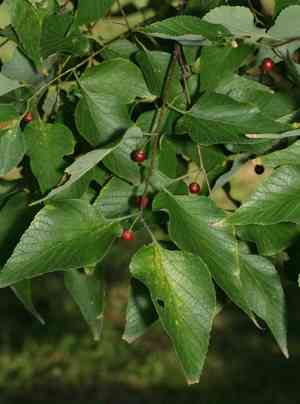
Yields palatable fruits that draw in diverse avian species.
3
Assists in stopping ground degradation through its widespread root network.
What Makes Common hackberry Unique?
Versatility Across Environments
A key characteristic of Common hackberry is its adaptability. Found in diverse settings, from wet areas to arid uplands, it thrives in various soil types and conditions. This versatility makes it an excellent choice for urban green spaces and restoration projects. Furthermore, its resilience to pollution and poor soil quality allows it to endure urban challenges.
Habitat and Wildlife Support
Another notable aspect of Common hackberry is its capacity to offer refuge and sustenance for wildlife. Its dense canopy provides shade and nesting spots for birds, while its fruit attracts numerous avian species. Additionally, its branches and foliage offer cover for small mammals and insects, fostering a miniature ecosystem. This biodiversity support makes Common hackberry a crucial element in many ecosystems.
How Does Common hackberry Benefit Urban Landscapes?
Enhancing Aesthetic Appeal
Common hackberry significantly contributes to the visual charm of urban environments. Its broad, spreading crown and attractive bark make it a pleasing addition to parks, streets, and gardens. The tree's leaves turn a lovely yellow in autumn, adding seasonal interest to any setting. Planting Common hackberry in urban areas not only beautifies the surroundings but also fosters a sense of calm and well-being.
Improving Air Quality
Urban areas often suffer from compromised air quality due to pollution. Common hackberry plays a vital role in enhancing air quality by absorbing pollutants like nitrogen dioxide, sulfur dioxide, and particulate matter through its leaves. Moreover, the tree releases oxygen via photosynthesis, contributing to cleaner, fresher air. By planting Common hackberry in cities, we can alleviate some of the detrimental effects of urban pollution.
What Environmental Benefits Does Common hackberry Provide?
Soil Erosion Control
One of the essential environmental advantages of Common hackberry is its ability to prevent soil erosion. The tree's extensive root system stabilizes the ground, lessening the risk of erosion caused by wind and water. This is particularly beneficial in erosion-prone areas, such as riverbanks and slopes. By anchoring the soil, Common hackberry helps maintain soil health and prevents the loss of valuable topsoil.
Carbon Sequestration
Common hackberry also plays a crucial role in carbon sequestration, which is the process of capturing and storing atmospheric carbon dioxide. As the tree grows, it absorbs carbon dioxide from the atmosphere and stores it in its biomass. This helps reduce the overall concentration of greenhouse gases in the air, mitigating the effects of climate change. By planting and preserving Common hackberry, we can contribute to global efforts to combat climate change.
Can Common hackberry Be Used for Food and Medicine?
Edible Berries
Common hackberry produces small, sweet berries that are not only a favorite among birds but are also safe for human consumption. These berries can be eaten fresh or utilized in various culinary preparations, such as jams, jellies, and desserts. Rich in antioxidants, these berries offer a nutritious snack option. Harvesting Common hackberry berries can be a delightful activity, connecting people with nature and providing a sustainable food source.
What Are the Benefits of Planting Common hackberry in Your Landscape?
Low Maintenance Requirements
Common hackberry is known for its minimal upkeep needs, making it an ideal choice for homeowners and landscapers. Once established, the tree is relatively drought-tolerant and resistant to pests and diseases. This robust nature means it requires little watering, pruning, and care, reducing the time and resources needed to maintain it. These characteristics make Common hackberry an excellent addition to any low-maintenance garden or landscape.
Increasing Property Value
Landscaping with trees, especially adaptable species like Common hackberry, can significantly boost property value. A well-maintained landscape with mature trees enhances a property's visual appeal, making it more attractive to potential buyers. Additionally, trees provide shade and reduce energy costs by cooling the surrounding environment, offering added economic benefits. Investing in Common hackberry can thus yield long-term financial returns alongside its environmental advantages.



