The Floss silk tree Plant Advantage: Maximizing Home and Office Appeal and Wellness
1
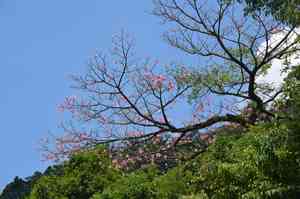
The floss silk tree yields lovely pink and white blossoms that draw in pollinators.
2
Its fibers find utility in numerous applications, such as textiles and artisanal creations.
3
This tree flourishes across a range of environmental settings, rendering it adaptable for landscape design.
What Makes Floss silk tree Exceptional?
Unique Aesthetic Appeal
The Floss silk tree is renowned for its striking pink and white blooms. These flowers not only add vibrant color to landscapes but also attract pollinators like bees and butterflies. This characteristic makes the Floss silk tree an excellent option for gardeners and landscapers aiming to create lively and colorful environments.
Robust Fibers and Versatile Uses
Fibers from the Floss silk tree are remarkably strong and have diverse applications. Traditionally, these fibers are collected and used in making textiles, ropes, and handmade goods. This makes the tree not only visually pleasing but also a source of useful materials benefiting various industries.
How Floss silk tree Benefits the Environment
Supports Biodiversity
The Floss silk tree plays a vital role in fostering biodiversity. Its flowers draw in a wide array of pollinators, which in turn support various plant species by assisting in their reproduction. This ripple effect helps maintain balanced ecosystems and promotes the health of local flora and fauna.
Soil Erosion Control
The extensive root system of the Floss silk tree is highly effective at preventing soil erosion. By stabilizing the soil, it helps preserve land integrity, especially in areas prone to erosion. This makes the Floss silk tree an excellent choice for reforestation projects and habitat restoration efforts.
Practical Applications of Floss silk tree
Landscaping and Urban Planning
Due to its visual appeal and adaptability to various environmental conditions, the Floss silk tree is frequently used in landscaping and urban design. Its ability to flourish in diverse climates makes it a versatile addition to public parks, private gardens, and urban green spaces, enhancing the natural beauty of these areas.
Traditional and Cultural Uses
In various cultures, the Floss silk tree has been integrated into traditional practices. Its fibers are used in crafting, while the tree itself often symbolizes beauty and resilience. This cultural significance further highlights the tree’s importance beyond its ecological and practical advantages.
Can Floss silk tree Be a Sustainable Resource?
Renewable and Eco-Friendly
One of the prominent features of the Floss silk tree is its potential as a sustainable resource. The tree grows relatively quickly and can be harvested for its fibers without causing significant environmental harm. This positions the Floss silk tree as an eco-friendly alternative to less sustainable materials, contributing positively to environmental conservation efforts.
Low Maintenance Requirements
Another benefit of the Floss silk tree is its minimal maintenance needs. It can thrive with little intervention, making it ideal for areas with limited resource availability. This resilience not only reduces the need for intensive care but also makes the plant a sustainable option for large-scale cultivation.



