The Northern catalpa Plant Advantage: Maximizing Home and Office Appeal and Wellness
1
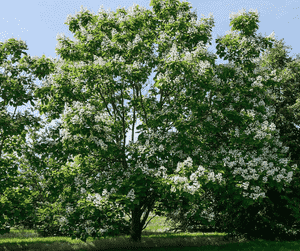
The Northern catalpa is a rapidly growing, leaf-shedding tree recognized for its impressive blossoms and heart-shaped foliage.
2
This tree offers advantages in preventing soil degradation and offering cover from the sun.
3
Its timber resists decay, making it well-suited for outdoor furnishings.
What Makes Northern catalpa Stand Out Among Other Trees?
Aesthetic Appeal
Northern catalpa is recognized for its striking look, featuring large, heart-shaped leaves and clusters of trumpet-shaped blossoms that appear from late spring to early summer. The flowers are typically white with purple and yellow internal markings, adding a burst of color to any landscape. These blooms not only enhance garden beauty but also attract pollinators like bees and butterflies, fostering a healthy ecosystem.
Growth Rate and Size
A significant benefit of Northern catalpa is its rapid growth. It can increase in height by up to 3 feet annually under ideal conditions, quickly reaching 40-60 feet. This makes it a great option for those aiming to establish a mature landscape in a relatively short timeframe. Additionally, the tree's expansive canopy offers ample shade, making it a perfect addition to outdoor living areas.
How Does Northern catalpa Benefit the Environment?
Soil Erosion Control
Northern catalpa is highly effective at preventing soil erosion due to its extensive root system. The roots help stabilize the soil, reducing erosion risk on slopes and embankments. This makes Northern catalpa an ideal choice for areas prone to erosion or those undergoing land reclamation projects.
Wildlife Habitat
The dense foliage and abundant flowers of Northern catalpa provide a natural home for wildlife. Birds, in particular, are drawn to the tree for nesting and shelter. Additionally, the tree's flowers are a rich source of nectar for pollinators, supporting a diverse range of species within the local ecosystem.
What Are the Practical Uses of Northern catalpa?
Resilient Wood
The wood of Northern catalpa is known for its resistance to rot and decay, making it an excellent material for outdoor furniture, fencing, and construction. Its durability ensures that structures made from Northern catalpa wood will last for many years, even in harsh weather conditions. This resilience also reduces the need for frequent replacements and repairs, making it an economically viable option.
Shade and Shelter
The broad canopy of Northern catalpa provides substantial shade, creating comfortable outdoor spaces for relaxation and recreation. This makes it an ideal tree for planting near patios, playgrounds, and picnic areas. Moreover, the shade helps to cool the surrounding environment, reducing the energy costs associated with air conditioning in nearby buildings.
How to Care for Northern catalpa?
Planting and Soil
To ensure optimal growth, Northern catalpa should be planted in well-drained soil with plenty of organic matter. While it can tolerate various soil types, it thrives in loamy soil that retains moisture without becoming waterlogged. Choose a location with full sun to partial shade to maximize its growth potential.
Watering and Maintenance
Northern catalpa requires consistent watering during its initial years to establish a strong root system. Once established, it is relatively drought-tolerant and needs less frequent watering. Pruning is necessary to remove dead or diseased branches and to shape the tree as desired. Regular maintenance ensures that Northern catalpa remains healthy and aesthetically pleasing.



