The Moreton bay chestnut Plant Advantage: Maximizing Home and Office Appeal and Wellness
1
Moreton Bay Chestnut enhances ground quality through nitrogen fixation.
2
Moreton Bay Chestnut offers substantial shade, making it ideal for city settings.
3
The fruit of Moreton Bay Chestnut is extremely poisonous and must not be eaten.
How Does Moreton bay chestnut Enhance Soil Quality?
Nitrogen Fixation
Moreton bay chestnut possesses the distinct capability to fix nitrogen within the soil. This process involves symbiotic bacteria residing in the plant's root nodules, converting atmospheric nitrogen into forms readily available for plant uptake. This natural fertilization method lessens the demand for synthetic fertilizers, fostering healthier, more sustainable gardening practices.
Improving Soil Structure
The root system of Moreton bay chestnut is robust and extensive, aiding in the prevention of soil erosion. Its roots also facilitate better aeration and water penetration, enhancing the overall soil structure. By cultivating Moreton bay chestnut in your garden, you contribute to a more stable and fertile ground for various other plants to flourish.
What Are the Environmental Advantages of Moreton bay chestnut?
Urban Shade and Cooling
Moreton bay chestnut is an excellent tree for urban environments due to its dense canopy that provides ample shade. By planting Moreton bay chestnut along thoroughfares or in parks, the surrounding area can experience a noticeable temperature reduction, mitigating the urban heat island effect. This natural cooling system decreases the need for air conditioning, promoting energy conservation.
Carbon Sequestration
As a perennial tree, Moreton bay chestnut plays a significant role in carbon sequestration. It absorbs CO2 from the atmosphere during photosynthesis, storing carbon in its wood and the surrounding soil. By integrating Moreton bay chestnut into local landscapes, communities can actively combat climate change by reducing the concentration of greenhouse gases.
What are the Advantages for Gardeners?
Low Maintenance
Moreton bay chestnut is a resilient tree requiring minimal upkeep once established. It is drought-tolerant and rarely affected by pests or diseases, making it a dependable choice for gardeners seeking low-maintenance plants. Its hardiness helps reduce the overall time and effort spent on garden care.
Aesthetic Appeal
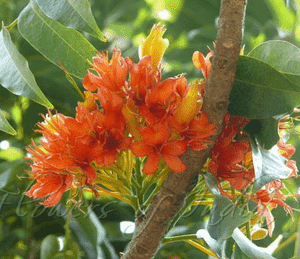
With its glossy foliage and vibrant yellow, red blossoms, Moreton bay chestnut adds significant aesthetic value to any garden. It serves as an attractive focal point with seasonal changes that enhance the visual appeal of residential or communal green spaces. Additionally, its flowers attract pollinators, supporting local biodiversity.
Are There Any Precautions to Consider?
Toxicity
While Moreton bay chestnut offers numerous benefits, it is crucial to note that its fruits are highly poisonous if consumed. Gardeners should exercise caution, especially in households with children or pets. Signage or fencing around the tree can help prevent accidental ingestion.
Invasive Potential
In certain regions, Moreton bay chestnut has the potential to become invasive, outcompeting native flora and altering local ecosystems. Before planting, it is advisable to consult regional guidelines and employ responsible planting practices to mitigate any adverse environmental impact.



