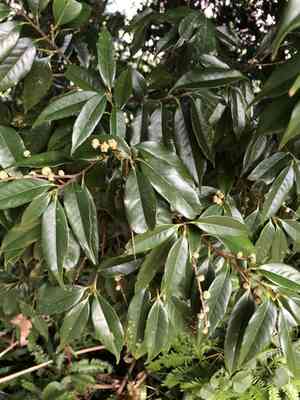
The Long-leaf evergreen chinkapin Plant Advantage: Maximizing Home and Office Appeal and Wellness
1
This perennial plant enhances soil richness via its fallen leaves.
2
Offers shelter and sustenance to local fauna, fulfilling a vital ecological function.
3
Can be incorporated into landscape designs for both beauty and utility.
What Makes Long-leaf evergreen chinkapin Special?
Ecological Contributions
A key contribution of Long-leaf evergreen chinkapin is its role in improving soil fertility. Its fallen leaves decompose, returning vital nutrients to the earth and fostering a healthier ecosystem. This process not only aids plant growth but also benefits microorganisms and other local wildlife.
Support for Wildlife
The dense foliage and strong branches of Long-leaf evergreen chinkapin offer an excellent home for various bird species, insects, and small mammals. Furthermore, its nuts provide a food source, sustaining wildlife during crucial periods. By maintaining biodiversity, Long-leaf evergreen chinkapin is vital for ecological balance.
How Can Long-leaf evergreen chinkapin Be Utilized in Landscaping?
Aesthetic Appeal
With its long, lush evergreen leaves, Long-leaf evergreen chinkapin provides significant visual appeal in landscaping projects. It can be used to create natural privacy screens, beautify gardens, and enhance the inherent beauty of any landscape design. Its year-round green foliage ensures a vibrant look, even in colder months.
Practical Applications
Beyond its visual benefits, Long-leaf evergreen chinkapin offers practical advantages in landscaping. Its roots help stabilize soil, preventing erosion on slopes and embankments. The shade provided by Long-leaf evergreen chinkapin can cool areas, reducing the need for artificial cooling systems, thereby promoting sustainable and eco-friendly practices.
Why Is Long-leaf evergreen chinkapin Important for Sustainable Forestry?
Renewable Resource
As an evergreen species, Long-leaf evergreen chinkapin grows consistently, making it a dependable renewable resource. Its wood is durable and can be used for various purposes, including crafting furniture and constructing buildings. Sustainable forestry practices ensure that Long-leaf evergreen chinkapin is harvested responsibly, supporting long-term ecological health.
Carbon Sequestration
Long-leaf evergreen chinkapin plays a critical role in carbon sequestration, capturing atmospheric carbon dioxide and storing it in its biomass. This process lessens the effects of climate change and helps reduce the global carbon footprint. By protecting and promoting the growth of Long-leaf evergreen chinkapin, we can support efforts to combat global warming.
What Are the Conservation Challenges for Long-leaf evergreen chinkapin?
Threats from Urbanization
Urban expansion poses a significant threat to Long-leaf evergreen chinkapin, as natural habitats are often replaced with concrete structures. This loss of habitat can lead to a decline in population and disrupts the local ecosystem. Advocating for green spaces and responsible urban planning is essential to preserve these natural habitats.
Environmental Stressors
Climate change, pollution, and invasive species are some of the environmental stressors affecting Long-leaf evergreen chinkapin. These stressors can weaken the plant's resilience, making it more susceptible to diseases and reducing its ecological contributions. Conservation efforts must address these issues to ensure the health and longevity of Long-leaf evergreen chinkapin.



