The Dwarf Chestnut Plant Advantage: Maximizing Home and Office Appeal and Wellness
1
Dwarf Chestnut adapts well to diverse soil conditions, showcasing its versatility.
2
Its nuts are prized for their distinct flavor and health advantages.
3
Dwarf Chestnut offers substantial ecological advantages through wildlife and ecosystem support.
Ecological Advantages of Dwarf Chestnut
How Does Dwarf Chestnut Support Soil Health?
Dwarf Chestnut is renowned for its ability to thrive in diverse soil conditions, including poor and depleted ones. Its robust root system aids in preventing soil erosion by stabilizing the ground structure. Furthermore, Dwarf Chestnut enhances soil fertility by contributing organic matter through fallen leaves and decomposed nuts, which enrich the soil with vital nutrients.
What Role Does Dwarf Chestnut Play in Biodiversity?
Dwarf Chestnut is instrumental in boosting local biodiversity. The plant offers shelter and sustenance for various wildlife, including birds, mammals, and insects. The nuts produced by Dwarf Chestnut serve as a crucial food source for many creatures, especially during autumn and winter when provisions are scarce. By cultivating Dwarf Chestnut, you can establish a miniature ecosystem that supports a wide array of species and contributes to the overall environmental well-being.
Nutritional Advantages of Dwarf Chestnut Nuts
Why Are Dwarf Chestnut Nuts a Nutritional Powerhouse?
Dwarf Chestnut nuts are not only delicious but also packed with essential nutrients. They are rich in carbohydrates, making them an excellent energy source. Additionally, they contain vital vitamins and minerals, such as vitamin C, potassium, and magnesium, which are crucial for maintaining overall health. The nuts are also low in fat, making them a healthier alternative to other types of nuts that have higher fat content.
How Can You Incorporate Dwarf Chestnut Nuts into Your Diet?
Integrating Dwarf Chestnut nuts into your daily diet is relatively simple due to their versatility. They can be eaten raw, roasted, or ground into flour for baking. Dwarf Chestnut nuts can be utilized in various recipes, from savory dishes like soups and stews to sweet treats like cakes and pastries. Their distinct flavor adds a delightful twist to any meal, while their nutritional benefits make them a smart choice for health-conscious individuals.
Aesthetic and Landscaping Advantages of Dwarf Chestnut
How Can Dwarf Chestnut Enhance Your Garden?
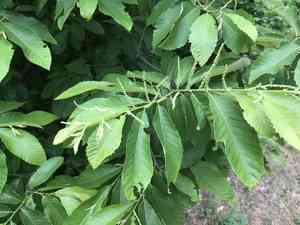
Dwarf Chestnut can significantly improve the visual appeal of your garden or landscape. Its attractive foliage, transitioning from vibrant green in spring to warm hues in autumn, provides year-round visual interest. The plantâs compact size makes it suitable for various garden designs, from formal beds to naturalistic landscapes. Additionally, the presence of Dwarf Chestnut can attract wildlife, adding a dynamic and lively element to your outdoor space.
What Are the Landscaping Advantages of Growing Dwarf Chestnut?
Dwarf Chestnut is an excellent choice for landscaping due to its minimal maintenance requirements and adaptability. It can thrive in different soil types and climatic conditions, making it a versatile addition to any garden. The plant can be used as a ground cover, a shrub border, or even as a standalone specimen. By incorporating Dwarf Chestnut into your landscaping plan, you can create a visually appealing and ecologically beneficial space with minimal effort.



