The Red hickory Plant Advantage: Maximizing Home and Office Appeal and Wellness
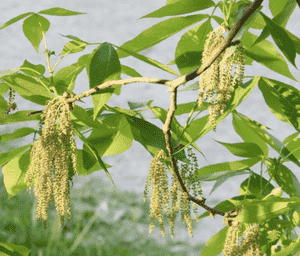
1
Red hickory offers significant nutritional benefits, supplying a wealth of vital nutrients.
2
The robust timber of Red hickory is exceptionally resilient, making it a prized material in carpentry.
3
Red hickory contributes significantly to ecological stability by offering shelter and sustenance to animals.
What Makes Red hickory Nutritionally Beneficial?
Nutrient-Dense Food Source
Red hickory nuts are a rich source of vital nutrients, including proteins, healthy fats, vitamins, and minerals. They contain significant levels of manganese, a mineral crucial for bone health and metabolic function. Consuming these nuts can effectively supplement one's diet with natural, wholesome nutrition.
Rich in Antioxidants
Antioxidants are key in neutralizing free radicals in the body, and Red hickory nuts are abundant in them. This helps reduce oxidative stress and lowers the risk of chronic diseases like heart disease and cancer. Incorporating Red hickory nuts into your diet adds both flavor and a boost of health-promoting antioxidants.
How Does Red hickory Contribute to Woodworking?
Highly Durable Hardwood
Red hickory wood is renowned for its exceptional strength and longevity. It's frequently used in furniture, flooring, and tools requiring toughness and durability. This makes it a preferred choice for woodworkers seeking high-quality material for their craft.
Aesthetic Appeal
Red hickory wood features a beautiful grain pattern that enhances the aesthetic value of any woodworking project. Its rich, reddish-brown color is striking and stands out, making it ideal for decorative purposes. Thus, it offers not just strength, but also visual appeal.
Why is Red hickory Important for Ecosystem Balance?
Habitat for Wildlife
Red hickory trees provide essential habitat for various wildlife species. Birds, squirrels, and other small animals rely on its nuts for food, while its dense foliage offers cover and nesting sites. As such, Red hickory plays a crucial role in supporting biodiversity in its native range.
Soil Health and Erosion Control
The extensive root system of Red hickory helps bind the soil, thereby reducing erosion. This is particularly beneficial for maintaining soil health and preventing topsoil loss. Additionally, fallen leaves from these trees contribute organic matter to the soil, enriching it and fostering a healthier ecosystem.
What are the Potential Uses of Red hickory Beyond Woodworking?
Natural Dye Production
The bark and leaves of Red hickory can be used to produce natural dyes. These eco-friendly dyes can be applied to textiles, offering an alternative to synthetic dyes that often contain harmful chemicals. This provides an additional avenue for utilizing this versatile plant.
Traditional Uses
Historically, indigenous peoples used various parts of Red hickory for food, tools, and even medicinal purposes. While modern usage focuses more on its nutritional and woodworking benefits, understanding its traditional uses offers a deeper appreciation for this multifaceted plant.



