The Pignut hickory Plant Advantage: Maximizing Home and Office Appeal and Wellness
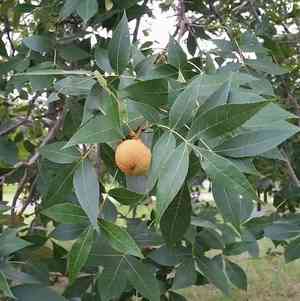
1
Pignut hickory is prized for its superior hardwood, perfect for crafting furniture and tool grips.
2
Its nuts serve as a crucial food source for wild animals, such as squirrels and deer.
3
Pignut hickory trees are robust and flourish in diverse soil types, simplifying their cultivation.
What Are the Nutritional Benefits of Pignut hickory?
A Source of Quality Protein
Pignut hickory offers significant nutritional value, especially in its nuts, which are rich in protein. This makes them a valuable food source for wildlife and a potential dietary addition for humans. Each nut provides a substantial amount of protein, aiding muscle development and overall bodily repair.
Rich in Healthy Fats and Vitamins
Beyond protein, Pignut hickory nuts are also abundant in beneficial fats, essential for maintaining good health. They contain crucial unsaturated fats that help regulate cholesterol and support heart health. The nuts also provide a good supply of vitamins, including vitamin E, known for its antioxidant properties.
How Is Pignut hickory Used in Woodworking?
Durable Hardwood for Furniture
A primary use of Pignut hickory is in woodworking. Its hardwood is exceptionally durable with a fine, uniform texture, making it a favorite among furniture makers. Items crafted from Pignut hickory wood are recognized for their longevity and resistance to wear.
Ideal for Tool Handles
Beyond furniture, Pignut hickory wood is highly valued for crafting tool handles. Its combination of strength and flexibility ensures tools can endure significant impact without breaking, thus extending the lifespan of frequently used implements.
What Are the Ecological Benefits of Growing Pignut hickory?
Supports Local Wildlife
Cultivating Pignut hickory in your garden or community can significantly benefit local wildlife. Its nuts serve as a nutritious food source for animals like squirrels, deer, and various bird species. By planting Pignut hickory, you contribute to a more sustainable and wildlife-friendly environment.
Improves Soil Health
Pignut hickory trees are known for their deep root systems, which are vital for soil health. The roots help prevent soil erosion and encourage the growth of beneficial soil microorganisms. This leads to improved soil structure and fertility, benefiting nearby plants.
How to Successfully Cultivate Pignut hickory?
Choosing the Right Location
When growing Pignut hickory, selecting the appropriate site is crucial. These trees thrive in well-drained soils and areas with ample sunlight. While they prefer loamy soils, Pignut hickory trees are quite adaptable and can also grow in sandy or clay soils with proper care.
Planting and Care Tips
For successful growth, plant Pignut hickory seeds or saplings in the autumn. Mulching around the tree's base helps retain moisture and prevent weed competition. Regular watering during the tree's initial years ensures deep root establishment, which is essential for its long-term health. Pruning is generally minimal but may be necessary to remove dead or diseased branches.



