The Japanese hornbeam Plant Advantage: Maximizing Home and Office Appeal and Wellness
1
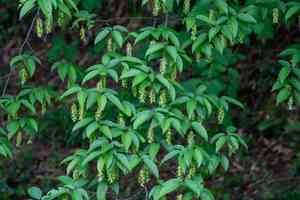
The Japanese hornbeam is recognized for its attractive, dense leaves, which enhance the beauty of any landscape.
2
It offers superb refuge and sustenance for a variety of helpful animals.
3
This tree tolerates a wide range of soil conditions, simplifying its cultivation.
What Makes Japanese hornbeam Special?
Unique Aesthetic Appeal
Japanese hornbeam is known for its striking leaves, which change from a fresh green in spring and summer to stunning golden and bronze shades in autumn. This seasonal shift makes it a visually appealing addition to any garden. Its leaves are finely serrated, adding a delicate texture that boosts its ornamental value.
Compact Growth Habit
A distinguishing characteristic of Japanese hornbeam is its compact and manageable growth pattern. Unlike other species that might grow uncontrollably, Japanese hornbeam maintains a neat shape, making it an excellent option for smaller gardens or urban areas where space is limited. Its rounded canopy also adds structure and depth to garden designs.
How Does Japanese hornbeam Benefit the Environment?
Provides Habitat for Wildlife
Japanese hornbeam plays a vital role in supporting local wildlife. Its dense foliage offers superb cover for birds and small mammals, giving them a safe haven from predators and harsh weather. Additionally, the tree's catkins and seeds serve as a crucial food source for many species, especially during winter when other resources are scarce.
Improves Soil Quality
Japanese hornbeam is highly effective at enhancing soil quality. Its root system helps to stabilize the soil, preventing erosion, while its leaf litter enriches the soil with essential nutrients as it decomposes. This natural process boosts soil fertility, promoting the health of nearby plants and contributing to the overall ecosystem's resilience.
What Are the Maintenance Requirements for Japanese hornbeam?
Drought Resistance
One of the outstanding features of Japanese hornbeam is its resilience to dry conditions. Once established, it needs minimal watering, making it an eco-friendly choice for gardeners aiming to conserve water. This drought resistance also ensures the plant remains strong and healthy even during extended dry periods.
Pest and Disease Resistance
Japanese hornbeam boasts strong resistance to common pests and diseases, which is a significant benefit for any gardener. This means less time and resources spent on upkeep and more time enjoying the beauty and advantages that Japanese hornbeam brings to your garden. Its natural strength against pests reduces the need for chemical interventions, fostering a healthier environment.
How Can You Incorporate Japanese hornbeam into Your Garden?
Ideal Planting Locations
Japanese hornbeam thrives in various environments, from shady woodlands to sunny garden beds. It prefers well-draining soil but adapts to different soil types, including clay and loam. When selecting a spot, consider placing Japanese hornbeam where it can receive partial shade, as this mimics its natural habitat and encourages optimal growth.
Companion Planting
Pairing Japanese hornbeam with complementary plants can enhance your garden's aesthetics and health. Consider planting it alongside shade-tolerant perennials or ground covers that benefit from the filtered sunlight provided by Japanese hornbeam's canopy. Such thoughtful companion planting can create a cohesive and vibrant garden space.



