The Berkeley sedge Plant Advantage: Maximizing Home and Office Appeal and Wellness
1
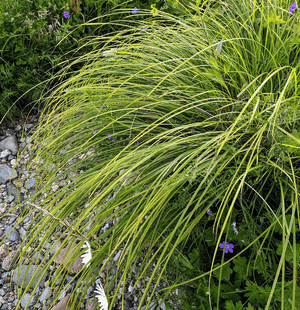
Carex divulsa serves as an effective ground cover, preventing soil erosion.
2
Carex divulsa needs little upkeep, making it perfect for eco-friendly landscapes.
3
This flora draws helpful insects to your outdoor space.
Why Opt for Berkeley Sedge in Your Garden?
What Makes Berkeley Sedge Easy to Maintain?
Berkeley sedge is renowned for its adaptability and minimal care requirements. This plant thrives in diverse soil types, from sandy to clayey, and needs little watering once established. Its deep root system efficiently accesses groundwater, reducing the need for frequent irrigation. Additionally, Berkeley sedge is highly resistant to pests and diseases, making it a simple choice for gardeners aiming to lessen chemical and pesticide use.
Berkeley Sedge as an Attractive Addition
The aesthetic appeal of Berkeley sedge is undeniable. Its fine texture and vibrant green leaves can enhance various landscape designs, whether used as ground cover, a border plant, or integrated into mixed perennial beds. Its neat and consistent growth pattern makes it an excellent option for creating visually harmonious landscapes. Furthermore, the plant's evergreen nature ensures your garden stays lively year-round, offering continuous beauty regardless of the season.
How Does Berkeley Sedge Improve Soil Quality?
A key advantage of Berkeley sedge is its positive impact on soil health. Its extensive root system helps stabilize the soil, prevent erosion, and improve soil structure. The roots not only bind the soil but also create pathways that enhance water penetration and aeration. This process boosts the soil's capacity to retain nutrients and moisture, fostering a healthier growth environment for nearby plants.
Ecosystem Benefits: Supporting Local Wildlife
Berkeley sedge plays a vital role in supporting local ecosystems. By providing habitat and food sources for beneficial insects, such as pollinators and predatory species that control pests, Berkeley sedge helps maintain ecological balance. Birds and small mammals are also drawn to the plant, finding shelter and foraging opportunities within its dense foliage. Incorporating Berkeley sedge into your garden can thus boost biodiversity and contribute to a flourishing and balanced local ecosystem.
How Does Berkeley Sedge Promote Sustainable Landscaping?
Sustainable landscaping aims to create outdoor spaces that are both beautiful and environmentally responsible. Berkeley sedge fits perfectly into this philosophy due to its low water needs and natural pest resistance. Using Berkeley sedge in your garden reduces the necessity for chemical inputs and excessive water use, making it an eco-conscious choice. Moreover, its ability to grow in less-than-ideal soil conditions makes it a reliable plant for areas affected by soil degradation, helping to rehabilitate and restore natural landscapes.



