The Wood sedge Plant Advantage: Maximizing Home and Office Appeal and Wellness
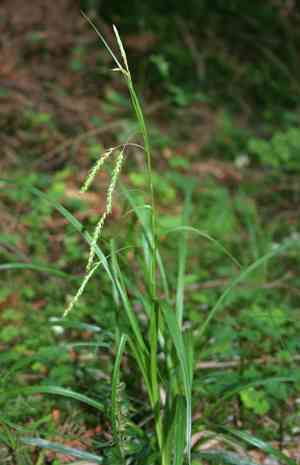
1
Wood sedge aids in stopping soil degradation due to its robust root structure.
2
It assists native fauna by offering sustenance and shelter.
3
Wood sedge requires minimal upkeep and flourishes in dim environments.
How Does Wood sedge Prevent Soil Erosion?
The Importance of Root Systems
Wood sedge plays a vital role in preventing soil erosion primarily due to its extensive and robust root system. The roots spread out widely underground, forming a network that binds the soil together, reducing the chances of soil being washed away by rain. This is particularly beneficial in areas prone to heavy rainfall where soil erosion is a common concern.
Stabilizing Slopes and Banks
Additionally, Wood sedge is often used for stabilizing slopes and riverbanks. The strong roots of this plant can efficiently anchor the soil on inclines, making it an excellent choice for gardeners and landscapers looking to protect vulnerable areas. This not only preserves the landscape but also prevents sedimentation in nearby water bodies.
How Does Wood sedge Support Local Wildlife?
Creating Habitat and Shelter
Wood sedge provides an ideal habitat and shelter for various forms of wildlife. The dense tufts offer a safe haven for small mammals and insects, helping to sustain local biodiversity. Birds often use the cover for nesting, and the plantâs seeds and foliage offer a food source for different species throughout the year.
Enhancing Biodiversity
By incorporating Wood sedge into your garden or local environment, you contribute to creating a balanced ecosystem. The presence of this plant can attract beneficial insects like pollinators, which are essential for the health of many other plant species. Overall, Wood sedge helps to foster a thriving, diverse wildlife community.
Why Is Wood sedge Ideal for Shaded Areas?
Thriving in Low-light Conditions
Wood sedge is particularly adept at thriving in shaded areas where many other plants struggle. Its natural habitat includes forest floors and understory environments, making it well-suited to gardens with significant tree cover or shaded spots. This characteristic makes Wood sedge a versatile addition to many different garden styles and conditions.
Low-Maintenance Characteristics
In addition to its ability to thrive in low-light conditions, Wood sedge is a low-maintenance plant requiring minimal care. It is relatively drought-tolerant and can endure varying soil conditions, making it an easy plant to cultivate even for novice gardeners. This adaptability reduces the need for frequent watering and maintenance, allowing you to enjoy a lush garden with less effort.
What Are the Aesthetic and Practical Benefits of Wood sedge in Landscaping?
Enhancing Garden Aesthetics
Wood sedge offers significant aesthetic appeal with its slender, grass-like leaves and elegant clumping habit. It adds texture and movement to garden landscapes, making it an attractive element in garden design. Whether used in mass plantings, alongside paths, or as ground cover, Wood sedge can enhance the visual appeal of outdoor spaces.
Practical Uses in Garden Design
Beyond aesthetics, Wood sedge serves practical purposes in garden design. Its ability to form dense clumps makes it an excellent choice for creating natural barriers or delineating different garden zones. Moreover, the plant's resilience and adaptability mean it can fill in challenging spots where other plants might not thrive, providing a lush, green backdrop throughout the year.



