The Pennsylvania sedge Plant Advantage: Maximizing Home and Office Appeal and Wellness
1
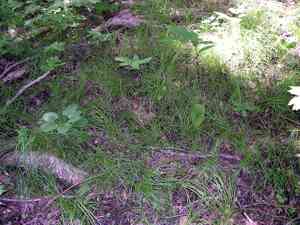
Pennsylvanian sedge makes a superb option for effortless ground cover.
2
This particular plant excels at stopping soil from eroding.
3
Ideal for shaded areas, Pennsylvanian sedge flourishes in dim light environments.
Why is Pennsylvania Sedge an Ideal Ground Cover?
Minimal Upkeep Needs
A key benefit of Pennsylvania sedge is its minimal care requirements. Unlike other ground covers needing frequent watering, feeding, or trimming, this sedge is largely self-sufficient. It flourishes in diverse soil types and demands little intervention, making it perfect for busy homeowners or gardening novices.
Natural Weed Control
Another excellent trait of Pennsylvania sedge is its inherent ability to suppress weeds. Its dense growth habit forms a thick layer over the soil, effectively preventing weeds from establishing. This not only keeps your garden tidy but also reduces the time and effort spent on weed removal. Bid farewell to constant weeding and welcome a thriving garden with Pennsylvania sedge.
How Does Pennsylvania Sedge Benefit the Environment?
Erosion Prevention
Pennsylvania sedge plays a vital role in soil preservation. Its extensive root system helps bind soil particles, preventing erosion. This is especially useful in areas prone to heavy rainfall or on slopes where soil loss can be a major issue. By planting Pennsylvania sedge, you're not just enhancing your space but also promoting sustainable environmental practices.
Supporting Local Wildlife
Beyond its soil-stabilizing advantages, Pennsylvania sedge offers habitat and food for various local animal species. Birds, insects, and small mammals are drawn to the plant, enriching your garden's biodiversity. This fosters a more balanced and flourishing ecosystem, contributing to the overall health of your garden and its surroundings.
Is Pennsylvania Sedge Suitable for Shaded Gardens?
Thrives in Dim Light Conditions
Pennsylvania sedge is particularly well-suited for shaded gardens, an area often challenging for gardeners. It flourishes in low light where many other plants struggle. This makes it an excellent choice for beneath trees or in the darker parts of your yard, where it can fill in spaces and bring vitality to otherwise barren areas.
Visual Appeal
Beyond its practical benefits, Pennsylvania sedge also offers aesthetic charm. It features fine-textured foliage that lends a soft, delicate appearance to your garden. Its green color can complement a wide array of other plants, making it a versatile option for garden design. Whether you aim for a natural woodland look or a more structured landscape, Pennsylvania sedge can enhance your space's visual allure.
Why Choose Pennsylvania Sedge for Sustainable Landscaping?
Water Efficiency
Water conservation is a significant concern for many gardeners, and Pennsylvania sedge excels in this aspect. It requires considerably less water than traditional lawns or many other garden plants, making it a sustainable choice for landscaping. By opting for Pennsylvania sedge, you contribute to water-saving efforts, which is crucial in areas experiencing water scarcity.
Reduced Chemical Input
Another benefit of Pennsylvania sedge in sustainable landscaping is its low need for chemical applications. Because it is robust and resistant to many pests and diseases, you won't need to rely heavily on pesticides or fertilizers. This not only lessens your garden's chemical footprint but also creates a healthier environment for all garden inhabitants, including beneficial insects and pollinators.



