The Drooping sedge Plant Advantage: Maximizing Home and Office Appeal and Wellness
1
Carex pendula is very good at preventing soil from washing away.
2
It grows well in places with sun or shade.
3
Carex pendula provides great coverage for the ground and boosts the variety of life.
Why Consider Planting Drooping Sedge?
What Makes Drooping Sedge Distinctive?
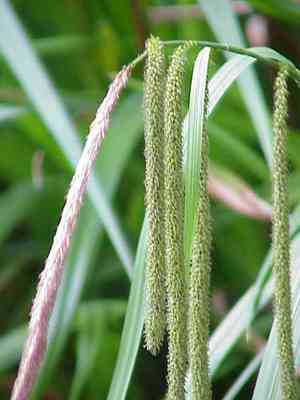
Drooping sedge is a perennial grass-like plant that can introduce texture and movement to your garden. It's recognized for its characteristic drooping flower spikes, which create an elegant, arching form. This unique look distinguishes it from many other common garden plants, making it a prominent feature in any landscape.
Versatility in Various Environments
A significant benefit of Drooping sedge is its adaptability. It flourishes in both shaded and sunny locations, offering a flexible choice for different areas of your garden. Its capacity to thrive in diverse soil types, from sandy to clay, ensures it can integrate smoothly into various garden settings. Furthermore, it exhibits high tolerance to wet conditions, which is especially advantageous for gardens with poor drainage.
How Does Drooping Sedge Improve Soil Quality?
Erosion Prevention
Soil erosion can be a major issue in gardens, leading to the loss of valuable topsoil and nutrients. Drooping sedge provides an effective solution by anchoring the soil with its dense root system. The robust, fibrous roots help to secure the soil, reducing erosion and fostering soil stability. This makes it an excellent option for slopes and banks prone to erosion.
Improving Soil Structure
Drooping sedge also plays a vital role in enhancing soil structure. Its roots create pathways in the soil, improving aeration and water penetration. This results in healthier, more porous soil that supports plant growth. By introducing Drooping sedge into your garden, you can expect better water retention and reduced compaction, which are crucial for maintaining a thriving garden.
Does Drooping Sedge Support Local Wildlife?
Creating Habitats
Gardens that support local wildlife not only contribute to biodiversity but also offer ecological advantages. Drooping sedge provides excellent ground cover, creating habitats for various insects, birds, and small mammals. The thick foliage offers shelter and breeding sites for these creatures, enhancing the ecological value of your garden.
Attracting Pollinators
Drooping sedge also draws in important pollinators, such as bees and butterflies. These beneficial insects play a critical role in the pollination of many garden plants, ensuring your garden is productive and vibrant. By including Drooping sedge in your garden, you're contributing to the overall health of the ecosystem and supporting local biodiversity.
How to Integrate Drooping Sedge into Your Garden?
Design Concepts
Incorporating Drooping sedge into your garden design can be a rewarding experience. It works well in naturalistic garden styles, where its graceful form can be highlighted. Consider planting it in clusters for a more dramatic effect or use it as a focal point in a mixed border. Its drooping flower spikes add visual interest and can complement other garden plants, such as ferns and hostas.
Care Guidelines
One of the appealing aspects of Drooping sedge is its minimal maintenance requirements. Once established, it needs little care, making it ideal for busy gardeners. Consistent watering is essential during the initial growth phase, but once it's settled, it's relatively drought-tolerant. Additionally, trimming back old foliage in late winter or early spring helps maintain its tidy appearance.
What Are the Broader Environmental Benefits of Drooping Sedge?
Reducing Carbon Footprint
Drooping sedge can also help reduce your garden's carbon footprint. Its dense growth and extensive root system capture and store carbon, helping to mitigate the effects of climate change. Planting Drooping sedge is a small but effective step in creating a more sustainable garden.
Enhancing Water Quality
In addition to its role in preventing soil erosion, Drooping sedge also contributes to improving water quality. By stabilizing soil and reducing runoff, it helps prevent sediment and pollutants from entering water bodies. This is particularly beneficial for gardens near streams or ponds, as it helps maintain cleaner and healthier water ecosystems.



