The Glaucous sedge Plant Advantage: Maximizing Home and Office Appeal and Wellness
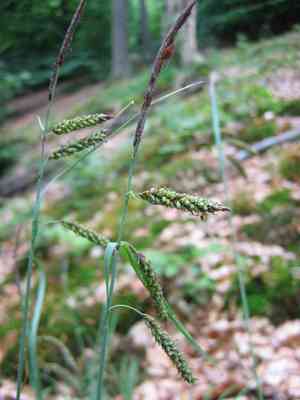
1
Carex flacca flourishes in damp, adequately drained earth, making it adaptable to diverse garden settings.
2
This enduring grass offers continuous appeal with its blue-green leaves.
3
Carex flacca draws in helpful insects, fostering environmental equilibrium in your outdoor space.
Why Select Glaucous Sedge for Your Landscape Needs?
Adaptable Growth Conditions
A key advantage of Glaucous sedge is its capacity to flourish across diverse growing environments. Whether your garden features damp, well-drained soil or somewhat arid conditions, Glaucous sedge can adjust and prosper. This adaptability makes it an excellent option for sites experiencing varied weather patterns and soil types. For optimal results, however, planting it in areas receiving partial to full sunlight will ensure vigorous development.
Minimal Upkeep Requirements
Gardens and landscapes often demand significant maintenance, but Glaucous sedge is remarkably low-maintenance. Once established, this plant needs little care, making it ideal for both new gardeners and those aiming to maintain attractive grounds with less effort. Its resilient nature means it will continue to offer aesthetic appeal throughout the seasons with only occasional trimming and watering.
Ecological Advantages
From an environmental standpoint, Glaucous sedge is a genuine asset. It plays a vital role in fostering soil health by preventing erosion and enhancing soil stability. Furthermore, its presence supports biodiversity by attracting beneficial insects and providing a sanctuary for small creatures. In turn, this can foster a more balanced and healthy ecosystem directly in your yard.
How Does Glaucous Sedge Enhance Your Garden's Beauty?
Distinctive Foliage
The unique bluish-green shade of Glaucous sedge's leaves introduces a singular visual element to any garden. Unlike typical greens, the glaucous (bluish-gray) tint adds contrast and depth, allowing it to stand out beautifully among other plants. This distinctive color not only boosts visual appeal but also provides year-round interest, as the foliage retains its color even through colder months.
Complementary Plant Pairings
When incorporating Glaucous sedge into your landscape, consider pairing it with plants that complement its texture and color. Flowering perennials and shrubs with differently colored leaves can create a striking contrast. Additionally, the plant's grass-like structure pairs well with both formal and informal garden designs, offering flexibility in garden planning.
What Are the Practical Applications of Glaucous Sedge in Landscaping?
Ground Cover
Glaucous sedge serves as an excellent ground cover option, particularly for areas requiring stabilization or those prone to erosion. Its dense, tufted growth habit helps secure soil, making it effective on sloped or uneven terrains. This functionality benefits both residential gardens and larger landscaped areas such as parks or commercial properties.
Border Plant
Given its manageable height and appealing foliage, Glaucous sedge performs exceptionally well as a border plant. It can be used to line paths, define garden bed edges, or establish a natural-looking boundary around your property. The plant's neat clumping habit ensures it remains tidy, helping to maintain a clean and organized garden appearance.
How to Successfully Cultivate and Maintain Glaucous Sedge?
Optimal Planting Conditions
To ensure Glaucous sedge thrives, choose a planting site that offers partial to full sun exposure. The soil should be moist but well-drained to prevent waterlogging, which can impede growth. Although the plant tolerates various soil types, it performs best in slightly acidic to neutral pH levels. Regular application of organic mulch can help maintain ideal soil conditions.
Watering and Fertilization
While Glaucous sedge is relatively drought-tolerant once established, it benefits from consistent watering during dry periods, especially in its initial growing season. Fertilizer is generally unnecessary if the soil is rich in organic matter. However, a light application of balanced fertilizer in early spring can support new growth and vigor if soil nutrients are deficient.
Integrating Glaucous Sedge into Ecological Landscapes
Supporting Local Wildlife
Incorporating Glaucous sedge into your garden can aid local wildlife by providing habitat and food sources for beneficial insects and small animals. This is crucial for fostering ecological balance, particularly in urban environments where such habitats are often scarce.
Minimizing Environmental Impact
By selecting native and adaptive species like Glaucous sedge, you can lessen your garden's environmental footprint. It requires less water, fertilizer, and pest control compared to non-native species, making it a sustainable choice for environmentally conscious gardeners.



