The Dewey's sedge Plant Advantage: Maximizing Home and Office Appeal and Wellness
1
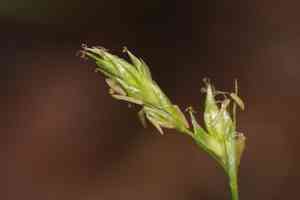
Dewey's sedge serves as a superb ground cover, proficiently stopping soil loss.
2
It flourishes in damp, shaded environments, perfect for garden undergrowth.
3
This sedge offers a home for helpful insects, boosting garden ecological variety.
Why Dewey's Sedge is an Excellent Ground Cover
Natural Soil Stabilization
A key advantage of Dewey's sedge is its function as a natural ground cover. This plant excels at preventing soil erosion due to its dense root system, which anchors the soil. This characteristic makes it vital in areas prone to erosion or where soil integrity is crucial.
Moisture Retention
Dewey's sedge flourishes in shaded, damp conditions, aiding in soil moisture preservation. Its thick foliage slows surface water runoff, allowing more water to penetrate the ground. This attribute is especially useful during dry periods, ensuring your garden maintains adequate hydration levels.
Weed Suppression
By effectively covering the ground, Dewey's sedge helps control weed growth. Its thick canopy blocks sunlight from reaching weed seeds, thereby hindering their germination and development. This reduces the need for chemical herbicides and manual weeding, simplifying garden upkeep and making it more environmentally friendly.
How Dewey's Sedge Boosts Garden Biodiversity
Habitat for Beneficial Insects
Dewey's sedge provides a home for various helpful insects, including pollinators like bees and beneficial predators such as ladybugs. These insects play vital roles in plant pollination and pest control, fostering a balanced and flourishing garden ecosystem.
Support for Local Wildlife
Beyond insects, Dewey's sedge also offers refuge and sustenance for diverse small wildlife, such as birds and amphibians. These creatures contribute to the garden's overall health by facilitating nutrient cycling and pest management. Planting Dewey's sedge helps create an inviting environment for local wildlife, enhancing your garden's ecological variety.
Promoting Fungal Networks
The dense root systems of Dewey's sedge encourage the growth of beneficial fungi in the soil. These fungi form symbiotic relationships with plant roots, assisting in nutrient absorption and improving soil health. Such fungal networks boost your garden's resilience and fertility, leading to healthier plants.
Why Dewey's Sedge is an Eco-Friendly Choice
Low Maintenance Requirements
Dewey's sedge demands relatively little upkeep compared to other garden plants. It requires minimal watering and fertilization, making it an environmentally sound option for gardeners aiming to lessen their ecological footprint. Furthermore, its natural resistance to pests and diseases reduces the need for chemical interventions.
Carbon Sequestration
Like other green plants, Dewey's sedge contributes to carbon sequestration. By absorbing carbon dioxide during photosynthesis, it helps mitigate climate change. Planting Dewey's sedge aids in lowering your garden's carbon footprint while promoting cleaner air.
Sustainable Landscaping
Integrating Dewey's sedge into your garden aligns with sustainable landscaping practices. It supports biodiversity, enhances soil health, and decreases the need for chemical inputs and water. Sustainable landscaping not only benefits the environment but also results in a healthier, more robust garden.
How to Effectively Incorporate Dewey's Sedge into Your Garden
Ideal Planting Conditions
Dewey's sedge thrives in shaded, moist areas, making it perfect for understories and wooded garden sections. It can also be planted along stream banks or in damp garden beds to maximize its soil stabilization and moisture retention benefits.
Companion Planting
Consider pairing Dewey's sedge with other native plants to create a harmonious and low-maintenance garden. Native plants often share similar environmental needs and can support each other in fostering a balanced ecosystem. Options include ferns, wildflowers, and other moisture-loving understory plants.
Maintenance Tips
Once established, Dewey's sedge requires minimal care. Water it during dry periods and remove any dead or diseased foliage to keep it looking its best. Periodically check for overcrowding and divide the plants if necessary to maintain healthy, vigorous growth.



