The Cherokee sedge Plant Advantage: Maximizing Home and Office Appeal and Wellness
1
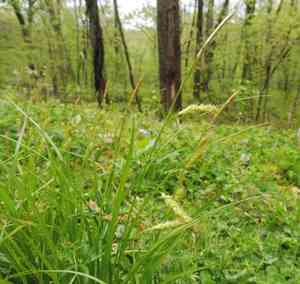
Cherokee sedge is a native grass variety recognized for its resilience and minimal care requirements.
2
Perfect for preventing soil erosion, Cherokee sedge flourishes in various soil compositions and environments.
3
Cherokee sedge offers vital shelter for indigenous fauna, boosting ecological diversity.
Why Opt for Cherokee Sedge in Your Garden?
Versatility and Minimal Upkeep
A key attribute of Cherokee sedge is its remarkable flexibility. Thriving in both sunny and partly shaded locations, this plant can adapt to diverse soil conditions, from damp to arid. This adaptability lessens the effort needed for its upkeep, making it a perfect choice for both novice and seasoned gardeners. Once rooted, Cherokee sedge needs little irrigation and fertilization, further cutting down on maintenance demands.
Erosion Prevention
If you're facing erosion problems on inclines or near water bodies, Cherokee sedge offers an effective remedy. The plant's fibrous root system helps secure the soil, preventing erosion and fostering ground stability. By cultivating Cherokee sedge, you can safeguard your landscape from the detrimental effects of soil erosion, thereby preserving your garden's integrity.
How Does Cherokee Sedge Benefit Local Wildlife?
Creating Habitats
Cherokee sedge offers vital habitats for various indigenous wildlife species. Its dense foliage provides refuge and nesting spots for birds, small mammals, and insects. In an era of increasing habitat loss, integrating Cherokee sedge into your garden can aid in preserving local biodiversity. Furthermore, the plant's seeds serve as a food source for birds, enriching your garden's ecological value.
Supporting Pollinators
Beyond providing habitats, Cherokee sedge aids pollinators like bees and butterflies. Its blossoms supply nectar and pollen, crucial resources for these essential species. By planting Cherokee sedge, you contribute to the well-being and sustainability of the pollinator population, which in turn supports the wider ecosystem through enhanced pollination of various plants.
Aesthetic and Practical Applications of Cherokee Sedge
Landscaping and Ornamental Uses
Cherokee sedge is an attractive plant that can enhance your garden's visual appeal. Its vibrant green foliage adds texture and depth to any landscape design. Whether utilized as a ground cover, in mass plantings, or as an accent around garden features, Cherokee sedge can elevate the aesthetic of your outdoor space. Its year-round greenery ensures your garden remains appealing even during off-peak seasons.
Combining Cherokee Sedge with Other Plants
Another benefit of Cherokee sedge is its compatibility with other native flora. When paired with complementary species, it can foster a balanced and harmonious garden environment. Blending Cherokee sedge with flowering plants can also amplify your garden's overall aesthetic. This mix of different plants creates a vibrant and diverse garden that not only looks good but also functions well ecologically.
Gardening Advice for Cherokee Sedge
Planting and Soil Preparation
For optimal growth, it's crucial to plant Cherokee sedge in well-prepared soil. Ensure the area is clear of weeds and other competing vegetation. While Cherokee sedge is adaptable, loosening the soil and adding organic matter can help the plant establish faster. Plant Cherokee sedge in spring or fall for best results, allowing ample space for growth and spread.
Watering and Care
Initially, Cherokee sedge may need consistent watering to help its roots establish. Once settled, it becomes drought-tolerant and requires minimal irrigation. However, during severe dry spells or heatwaves, occasional watering can help maintain its health. Mulching around the base can aid in retaining soil moisture and reducing weed competition.
Environmental Impact of Cultivating Cherokee Sedge
Boosting Soil Health
Incorporating Cherokee sedge into your garden can significantly improve soil health. Its roots assist in aerating the soil, enhancing its structure and fertility. The plant also aids in nutrient cycling, returning vital nutrients to the soil and promoting a healthier garden ecosystem. This makes Cherokee sedge an excellent choice for eco-conscious gardeners seeking to naturally improve soil quality.
Reducing Carbon Footprint
Given its low maintenance needs, Cherokee sedge contributes to a reduced carbon footprint. Less demand for watering, fertilization, and overall care means gardeners can decrease their resource consumption, lessening their environmental impact. By choosing Cherokee sedge, you not only enjoy a beautiful, functional garden but also positively impact the environment.



