The Trumpet creeper Plant Advantage: Maximizing Home and Office Appeal and Wellness
1
The trumpet creeper draws in hummingbirds and various other pollinators, boosting your garden's ecological variety.
2
Due to its robust climbing habit, the trumpet creeper can serve as an organic privacy barrier.
3
Once rooted, the trumpet creeper is simple to cultivate and needs little upkeep.
Why Trumpet Creeper is an Excellent Garden Addition
Attracts Pollinators, Boosting Biodiversity
Trumpet creeper blossoms yield abundant nectar, drawing in diverse pollinators like hummingbirds, bees, and butterflies. This influx of pollinators not only adds vibrancy and movement to your garden but also aids in the health and reproduction of various plant species. By cultivating Trumpet creeper, you contribute to your local environment's ecological balance and biodiversity.
Inherent Charm and Visual Appeal
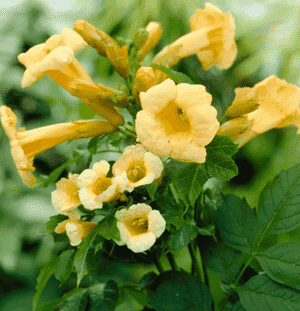
The vivid, trumpet-shaped flowers of Trumpet creeper come in striking orange, red, and yellow hues. These colorful blooms create a stunning visual impact, transforming any garden into a lively and inviting space. Additionally, its lush, green foliage offers a dense backdrop that can enhance your landscape design's beauty. Whether adorning a pergola or scaling a fence, Trumpet creeper adds a touch of natural elegance to any setting.
How Trumpet Creeper Enhances Garden Utility
Natural Privacy Barrier
Trumpet creeper is known for its rapid and vigorous growth, making it an excellent choice for creating natural privacy screens. When planted along fences, trellises, or walls, it quickly covers these structures with a thick, green layer, offering privacy while adding to your property's aesthetic appeal. This natural barrier not only enhances privacy but also provides a windbreak and reduces noise pollution.
Minimal Upkeep Requirements
One of Trumpet creeper's key advantages is its low maintenance needs. Once established, this resilient plant requires minimal care. It is drought-tolerant and can thrive in various soil types, making it an ideal choice for gardeners seeking a robust and low-effort addition to their garden. With proper initial care, Trumpet creeper can flourish with little intervention, allowing gardeners to enjoy its benefits without significant upkeep.
Environmental Advantages of Trumpet Creeper
Soil Erosion Prevention
Trumpet creeper possesses a robust root system that helps stabilize soil and prevent erosion. When planted on slopes or unstable ground, it holds the soil in place, reducing the risk of soil erosion caused by wind and water. This characteristic makes Trumpet creeper not only a beautiful but also a practical addition to areas prone to erosion, contributing to the landscape's health and stability.
Supports Local Ecosystems
By planting Trumpet creeper, you contribute to supporting local ecosystems. This plant provides habitat and food for various wildlife species, enhancing biodiversity. The flowers and foliage offer shelter and sustenance for insects, birds, and small mammals, creating a thriving mini-ecosystem in your garden. The presence of Trumpet creeper can attract and support a wide range of creatures, promoting ecological harmony.
Common Questions About Trumpet Creeper
Is Trumpet Creeper Suitable for All Climates?
Trumpet creeper adapts to various climates but thrives best in USDA hardiness zones 4-9. It can tolerate both hot summers and cold winters, though extreme conditions may require extra care. Gardeners in different regions should consider local climate factors when planting Trumpet creeper to ensure optimal growth and health.
How Should Trumpet Creeper Be Pruned?
Regular pruning is crucial to manage Trumpet creeper's growth and shape. Pruning should occur in late winter or early spring before new growth begins. Trim back any overgrown or dead branches to encourage healthy growth and flowering. Proper pruning techniques can enhance the plant's appearance and prevent it from becoming invasive.



