The Japanese camellia Plant Advantage: Maximizing Home and Office Appeal and Wellness
1
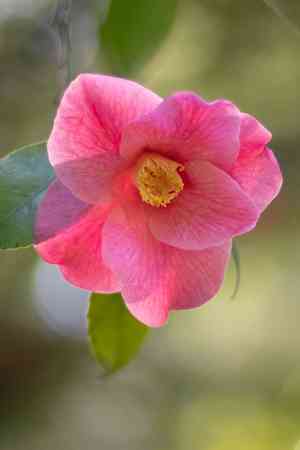
The Japanese camellia offers exquisite blooms that elevate your garden's aesthetic appeal.
2
Japanese camellia foliage is packed with antioxidants, promoting general well-being.
3
This plant requires minimal upkeep, making it perfect for individuals with limited time for gardening.
What Makes Japanese camellia a Standout Plant?
Aesthetic Appeal
Japanese camellia is celebrated for its stunning blossoms, frequently seen in tones of pink, red, and white. These lively flowers not only bring a burst of color to your outdoor space but also act as a captivating focal point. Whether planted individually or in groups, Japanese camellia can transform any landscape into a picturesque sanctuary.
Versatility in Garden Design
Japanese camellia demonstrates remarkable adaptability, making it a preferred choice among landscape architects. Its diverse sizes and forms allow it to be incorporated into various garden aesthetics, from formal to casual. This plant flourishes in a range of soil types, provided they are well-draining, and can be cultivated in containers, borders, or as individual shrubs.
How Does Japanese camellia Benefit Your Health?
Rich in Antioxidants
The foliage of Japanese camellia is abundant in antioxidants, compounds recognized for combating oxidative stress and bolstering immune function. These antioxidants can assist in neutralizing free radicals, potentially lowering the risk of chronic illnesses. While beautifying your garden, Japanese camellia also provides the added advantage of contributing to your overall wellness.
Uses in Traditional Practices
Historically, Japanese camellia leaves have been utilized in various time-honored customs. While this piece does not explore medicinal applications, it's worth noting that the rich cultural legacy surrounding Japanese camellia includes its application in folk remedies and wellness regimens across different Asian cultures.
Essential Care Tips for Japanese camellia
Planting Conditions
Japanese camellia thrives best in partial shade, though it can endure full sun in cooler climates. Appropriate soil conditions are vital for optimal development. Ensure the soil is slightly acidic and drains efficiently to prevent root rot. When planting, excavate a hole twice the width of the root ball and mix compost into the soil to provide an initial nutritional boost.
Watering and Pruning
Japanese camellia needs consistent moisture but doesn't fare well in waterlogged environments. Water the plant thoroughly once weekly, adjusting based on precipitation and temperature. Regular trimming helps maintain the plant's form and promotes vigorous growth. Remove dead or straggly branches to encourage fresh blooms.
What Are the Environmental Benefits of Japanese camellia?
Supporting Local Wildlife
Japanese camellia blossoms are a valuable nectar source for butterflies and bees, offering crucial support to local pollinators. This enhances the biodiversity of your garden and helps sustain the equilibrium of the local ecosystem.
Improving Soil Health
The presence of Japanese camellia in your garden can lead to improved soil vitality. The plant's root system helps prevent soil erosion, and its fallen leaves decompose to return organic matter to the soil, boosting its fertility over time.
Why Choose Japanese camellia for a Low-Maintenance Garden?
Hardiness and Resilience
Japanese camellia is relatively robust and can withstand a range of climatic conditions, making it an excellent selection for those desiring a low-maintenance garden. It shows resistance to many common pests and diseases, reducing the need for chemical interventions.
Minimal Upkeep
Once established, Japanese camellia requires minimal care. Its slow growth rate means it doesn't demand frequent pruning, and its modest nutrient requirements mean you won't need to fertilize it often. This makes it an ideal plant for busy gardeners or those new to gardening.



