The Incense cedar Plant Advantage: Maximizing Home and Office Appeal and Wellness
1
Incense cedar is a very resilient tree, perfect for landscaping and building projects.
2
This species is recognized for enhancing air quality through pollutant absorption.
3
It offers shelter and sustenance to diverse wildlife, boosting ecological variety.
Why Opt for Incense Cedar in Landscaping?
Resilience and Longevity
A primary reason to consider Incense cedar for your landscape is its exceptional hardiness. This tree is renowned for its extended lifespan, frequently outliving numerous other tree varieties. Due to its robust nature, Incense cedar can endure various environmental challenges, including drought, poor soil conditions, and fluctuating temperatures. This makes it an ideal selection for regions with demanding weather patterns.
Visual Appeal
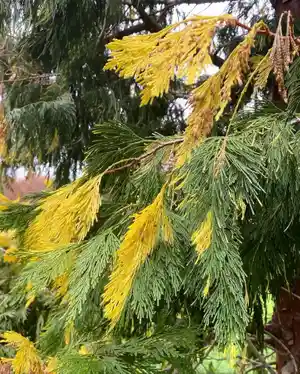
Beyond its toughness, Incense cedar is also highly valued for its aesthetic attributes. With its tall, slender trunk and fragrant foliage, this plant imparts a sense of grace and serenity to any outdoor space. Its distinctive outline remains attractive throughout the year, offering a consistent source of natural beauty irrespective of the season.
How Incense Cedar Enhances Air Quality
Pollutant Absorption
Incense cedar plays a vital role in improving air quality by functioning as a natural filter. This plant is recognized for its capacity to absorb a range of airborne pollutants, including nitrogen dioxide, sulfur dioxide, and particulate matter. By integrating Incense cedar into your landscape, you can contribute to cleaner air and a healthier living environment.
Oxygen Generation
In addition to filtering out contaminants, Incense cedar also contributes to oxygen production. This process is crucial for sustaining a balanced and healthy ecosystem. The oxygen released by Incense cedar not only benefits humans but also supports local wildlife and other plant species, further boosting biodiversity in your area.
The Role of Incense Cedar in Wildlife Support
Habitat Provision
Incense cedar provides essential habitat for various wildlife species. Birds, insects, and small mammals frequently find refuge and nesting locations within the branches and foliage of this plant. By fostering a diverse array of wildlife, Incense cedar helps to create a balanced and flourishing ecosystem.
Food Source
Beyond offering shelter, Incense cedar also serves as a significant food source. Its seeds and foliage are consumed by different animal species, providing vital nutrients and sustenance. This symbiotic relationship ensures the survival of both the plant and the wildlife it supports, further highlighting the ecological importance of Incense cedar.
Sustainable Applications of Incense Cedar
Timber Products
Incense cedar is highly prized for its wood, which is both durable and aromatic. The timber is commonly used in construction, furniture manufacturing, and craft projects. Its resistance to decay and pests makes it an excellent material for outdoor uses, such as fences, decks, and garden furnishings.
Aromatherapy and Natural Remedies
The aromatic qualities of Incense cedar are not only pleasant but also have practical applications. The oils extracted from the plant are often used in aromatherapy for their calming and revitalizing properties. Additionally, the agreeable scent of Incense cedar wood is utilized in making incense and other fragrant items that add a touch of natural elegance to any home.
Common Questions About Incense Cedar
Is Incense cedar simple to care for?
Yes, Incense cedar requires minimal upkeep once established. Its inherent resistance to pests and diseases means you can enjoy the advantages of this plant with relatively little effort. Regular watering during dry spells and occasional pruning to maintain its form are generally sufficient for optimal growth.
Can Incense cedar be planted in city environments?
Absolutely. The adaptability of Incense cedar makes it an excellent choice for urban settings. Its ability to thrive in various soil types and conditions, coupled with its air-purifying attributes, makes it a valuable addition to city parks, streetscapes, and private gardens.



