The Japanese callicarpa Plant Advantage: Maximizing Home and Office Appeal and Wellness
1
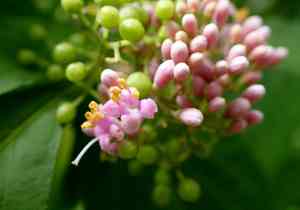
The Japanese beautyberry showcases vivid purple fruits, bringing a burst of color to any outdoor space.
2
This plant is recognized for its special capacity to draw in various creatures, such as avian species and lepidopterans.
3
Cultivating the Japanese beautyberry is straightforward, making it an ideal choice for those new to gardening.
What Makes Japanese Callicarpa So Special?
Unique Visual Appeal
Japanese callicarpa is known for its eye-catching purple berries, which appear in clusters during autumn. These vibrant berries not only create a stunning visual display but also contrast beautifully with the plantâs green leaves. This characteristic makes Japanese callicarpa an excellent choice for adding color and interest to your garden landscape all year long.
Attracts Wildlife
A key benefit of Japanese callicarpa is its ability to draw in various wildlife. Birds and butterflies are particularly attracted to its berries and blossoms, turning your garden into a sanctuary for these delightful creatures. The presence of wildlife not only boosts your garden's biodiversity but also offers an educational chance for children and nature lovers alike.
How to Cultivate Japanese Callicarpa in Your Garden
Ideal Growing Conditions
Japanese callicarpa thrives in areas with well-drained soil and a mix of sun and shade. While it can endure partial shade, full sun is best for maximizing berry production. Ensure the plant has good air circulation to prevent fungal diseases, and avoid overwatering to maintain soil health.
Simple Maintenance Tips
Japanese callicarpa is relatively easy to care for, making it a perfect choice for gardeners of all skill levels. Regular trimming helps maintain its shape and encourages new growth. Mulching in the spring can help retain soil moisture and suppress weeds. Additionally, a balanced fertilizer applied in early spring enhances the plant's health and vigor.
Can Japanese Callicarpa Improve Your Gardenâs Ecosystem?
Biodiversity Boost
By incorporating Japanese callicarpa into your garden, you significantly enhance its biodiversity. The plant provides food and shelter for various insects and bird species. This not only makes your garden more lively but also supports the local ecosystem by fostering a healthy balance of flora and fauna.
Natural Pest Control
Japanese callicarpa can play a role in natural pest control by attracting beneficial insects that prey on garden pests. Ladybugs and certain types of birds, which are drawn to the plant, help control the population of aphids, mites, and other common garden nuisances. This natural pest control method reduces the need for chemical pesticides, making your garden a safer and more sustainable environment.
Can Japanese Callicarpa Be Used in Landscaping?
Versatile Design Options
Japanese callicarpa offers a range of landscaping possibilities due to its striking appearance and ease of care. It can be used as a standalone specimen plant, a hedge for property borders, or a part of a mixed shrubbery. Its bright berries and lush foliage provide a dynamic texture and color contrast when paired with other plants.
Seasonal Interest
In addition to its year-round visual appeal, Japanese callicarpa offers seasonal interest that captivates throughout different times of the year. Fresh green leaves in spring, striking flowers in summer, and the iconic purple berries in fall ensure that your garden remains attractive through various seasons.
Why Should You Add Japanese Callicarpa to Your Garden?
Low Maintenance and High Reward
One of the greatest advantages of Japanese callicarpa is its low maintenance requirements coupled with high aesthetic and ecological rewards. Its resilience and ease of care make it accessible for novice and experienced gardeners alike while providing significant visual and environmental benefits.
Environmental Benefits
Japanese callicarpa positively contributes to the environment by fostering local wildlife and reducing the need for chemical interventions in your garden. Its natural beauty, combined with its ecological advantages, makes it an ideal addition for anyone looking to create a more dynamic, sustainable, and visually appealing garden space.



