The Purple small-reed Plant Advantage: Maximizing Home and Office Appeal and Wellness
1
Purple small-reed boosts soil quality through increased organic material.
2
This vegetation offers vital animal sanctuary across its entire existence.
3
Purple small-reed requires minimal upkeep, ideal for eco-friendly landscaping.
What is Purple small-reed and Why Should You Consider It?
The Unique Characteristics of Purple small-reed
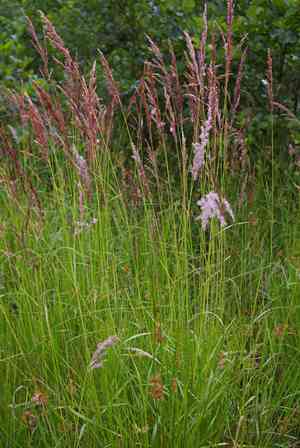
A defining characteristic of Purple small-reed is its impressive stature, frequently reaching heights of up to 1.5 meters. Its slender yet robust stems, combined with its distinct purple coloration, make it a striking feature in any garden. Beyond its visual appeal, Purple small-reed exhibits remarkable adaptability to various soil types and conditions, ensuring its resilience across diverse environments.
The Role of Purple small-reed in Native Habitats
Within its natural environment, Purple small-reed plays a vital role in stabilizing soil and preventing erosion, thanks to its extensive root system. This plant also offers shelter and sustenance for numerous wildlife species, from insects to birds. By cultivating Purple small-reed, you are supporting local biodiversity and contributing to a healthier ecosystem.
How Does Purple small-reed Improve Soil Health?
Enhances Organic Matter
Purple small-reed is recognized for its capacity to increase soil organic matter content, which is crucial for plant development and soil structure. The plant's roots and lower foliage, upon decomposition, return essential nutrients to the soil, fostering a fertile growing medium.
Aids in Soil Aeration
The root system of Purple small-reed penetrates deeply into the soil, assisting in soil aeration. This facilitates improved water infiltration and root penetration for neighboring plants, creating an optimal environment for robust plant growth.
Why is Purple small-reed a Sustainable Gardening Choice?
Low Maintenance Requirements
A significant advantage of Purple small-reed is its minimal maintenance needs. Once established, it requires little watering and demonstrates high resistance to pests and diseases. This sustainability factor makes it an excellent option for gardeners aiming to lessen their environmental footprint.
Natural Weed Suppression
Purple small-reed functions as a natural weed deterrent due to its dense growth habit. By outcompeting weeds for light and nutrients, it reduces the necessity for chemical herbicides, promoting a healthier, more sustainable garden ecosystem.
What Wildlife Benefits Does Purple small-reed Offer?
Provides Essential Habitat
Purple small-reed furnishes crucial habitat for a variety of wildlife species. It offers nesting locations for birds, cover for small mammals, and a food source for insects. By incorporating Purple small-reed into your garden, you are establishing a miniature wildlife sanctuary that supports a diverse array of species.
Boosts Pollinator Populations
The blooms of Purple small-reed attract various pollinators, including bees and butterflies. These pollinators are essential for plant reproduction and maintaining biodiversity. By planting Purple small-reed, you are actively contributing to the health and longevity of local pollinator populations.
How to Incorporate Purple small-reed into Your Garden?
Ideal Growing Conditions
Purple small-reed thrives in sunny to partially shaded areas with well-drained soil. It is highly adaptable to a range of soil types, including clay and loamy soils. When planting Purple small-reed, ensure adequate spacing to accommodate its mature height and spread, which aids in its robust establishment.
Companion Planting with Purple small-reed
Consider pairing Purple small-reed with other native grasses and perennials to create a diverse and visually appealing landscape. Its tall, elegant blades offer a striking contrast to lower-growing plants, adding depth and texture to your garden design.



