The Butterfly Bush Plant Advantage: Maximizing Home and Office Appeal and Wellness
1
Buddleia draws in diverse pollinators, boosting ecological variety.
2
Buddleia is recognized for its minimal upkeep, ideal for beginner gardeners.
3
It enhances numerous garden layouts, bringing aesthetic charm to your outdoor space.
Why is the Butterfly Bush a Garden Favorite?
Attracts Pollinators
A key characteristic of the Butterfly Bush is its remarkable capacity to draw in various pollinators, such as butterflies, bees, and hummingbirds. The plant's bright, fragrant blossoms act as a lure, encouraging these beneficial insects to visit your garden. By attracting pollinators, the Butterfly Bush helps boost local biodiversity and supports the vital process of pollination, essential for many plants' reproduction.
Easy Care, High Reward
Another compelling reason to include the Butterfly Bush in your garden is its undemanding nature. This plant doesn't require constant attention or specialized care, making it an ideal choice for both novice and experienced gardeners. It flourishes in diverse soil conditions and is quite drought-tolerant once established. Consequently, the Butterfly Bush offers significant benefits in terms of visual appeal and ecological advantages with minimal effort.
How Does the Butterfly Bush Enhance Your Garden's Beauty?
Seasonal Blooms
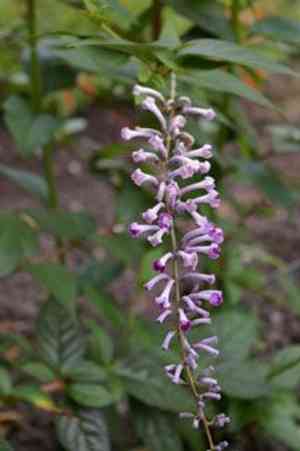
One of the most appealing traits of the Butterfly Bush is its ability to produce an abundance of flowers throughout its blooming period. These flowers come in various colors, including purple, pink, white, and orange, providing a continuous display of vibrant hues. The plant's extended flowering season ensures your garden remains colorful and attractive for many months.
Versatile Landscaping Options
The Butterfly Bush is highly adaptable and can be integrated into a variety of landscape designs. Whether used as a focal point in a flower bed, a border plant along paths, or even as a potted specimen on patios, this plant adjusts well to different environments. Its ability to blend seamlessly with other plants makes it a valuable addition to any garden, adding both structure and beauty.
What Are the Environmental Benefits of the Butterfly Bush?
Erosion Control
The Butterfly Bush is known for its strong root system, which plays a vital role in preventing soil erosion. When planted on slopes or hillsides, it helps stabilize the soil, reducing the risk of landslides and erosion. This makes it an excellent choice for areas prone to soil degradation, contributing to the overall health of your garden landscape.
Improved Air Quality
Beyond its visual and ecological advantages, the Butterfly Bush also contributes to better air quality. Like many plants, it absorbs carbon dioxide and releases oxygen through photosynthesis. This not only helps reduce greenhouse gases but also ensures a healthier atmosphere within and around your garden.
How to Care for Your Butterfly Bush?
Planting and Soil Needs
When planting the Butterfly Bush, select a location that receives full sun to partial shade. This plant thrives in well-drained soil but is adaptable to various soil types. To ensure optimal growth, incorporate organic matter into the soil during planting and water the plant regularly until it is established.
Pruning and Upkeep
Pruning is crucial to maintain the shape and health of the Butterfly Bush. Regularly remove spent blooms and trim back any overgrown branches to encourage new growth and prolonged flowering. Additionally, consider cutting back the plant in late winter or early spring to promote vigorous growth in the upcoming season.



