The Siberian bugloss Plant Advantage: Maximizing Home and Office Appeal and Wellness
1
Brunnera macrophylla flourishes in dim garden areas, lending grace with its cordate foliage.
2
This species requires minimal upkeep and resists typical garden invaders.
3
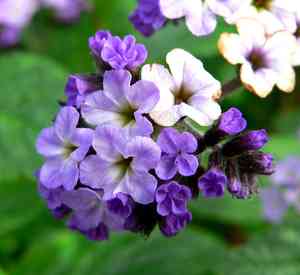
Brunnera macrophylla is recognized for its lovely azure blooms, offering periodic vibrancy to your outdoor space.
Why Select Siberian Bugloss for Your Garden?
Versatility Across Soil Types
Siberian bugloss exhibits high adaptability to various soil compositions, making it an excellent option for diverse garden environments. Whether your garden's earth is clayey, loamy, or sandy, this plant can flourish with minimal adjustments. This flexibility ensures you can cultivate Siberian bugloss almost anywhere, provided it receives adequate shade and moisture.
Effortless Care and Pest Resistance
A key attractive feature of Siberian bugloss is its low-maintenance characteristic. This plant demands minimal attention, making it perfect for busy gardeners or those new to horticulture. Furthermore, Siberian bugloss resists many common pests, including slugs and snails, meaning you won't need harmful pesticides to maintain a healthy, thriving garden.
Aesthetic Appeal and Seasonal Charm
Distinctive Foliage and Charming Blooms
Siberian bugloss is celebrated for its heart-shaped, dark green leaves adorned with silvery patterns, creating a striking visual contrast. In spring, this plant produces clusters of small, vibrant blue flowers resembling forget-me-nots. These blossoms not only add color to shaded areas but also attract pollinators like bees and butterflies, fostering a healthier garden ecosystem.
Year-Round Visual Interest
Siberian bugloss provides continuous appeal with its attractive foliage that remains vivid even during colder months. In autumn, the leaves may deepen in color, adding a touch of seasonal beauty to your garden. This lasting charm ensures your garden stays visually engaging throughout the year, offering a consistent backdrop for other seasonal plants.
Successful Cultivation of Siberian Bugloss
Optimal Planting Conditions
To successfully grow Siberian bugloss, plant it in a spot that receives filtered sunlight or partial shade. While it tolerates full shade, some morning sun can aid its growth. Ensure the soil drains well and retains moisture without becoming waterlogged. Applying mulch around the plant's base can help maintain soil moisture and keep roots cool.
Watering and Nutrient Supply
Siberian bugloss prefers consistently moist soil but can endure brief dry spells once established. Water the plant deeply during arid periods to keep the soil uniformly damp. For fertilization, a balanced, slow-release fertilizer applied in early spring can supply essential nutrients for vigorous growth. Avoid over-fertilizing, as this can lead to excessive leaf development at the expense of flowers.
Ecological Benefits of Siberian Bugloss
Supporting Local Fauna
By incorporating Siberian bugloss into your garden, you not only enhance its beauty but also support local wildlife. The charming blue flowers attract bees and butterflies, vital for pollination. A garden rich in pollinators positively contributes to the broader ecosystem, promoting the growth and health of other plants.
Minimizing Environmental Impact
Siberian bugloss is a sustainable choice for environmentally conscious gardeners. Its natural pest resistance reduces the need for chemical pesticides, which can harm the environment. Moreover, its adaptability means less need for soil amendments or extensive watering, conserving both resources and effort.
Siberian Bugloss in Landscape Design
Crafting Shaded Sanctuaries
Siberian bugloss is an excellent plant for creating shaded havens within your garden. Its dense foliage and appealing flowers make it perfect for underplanting beneath trees or along shaded paths. The plant's robust nature ensures it can thrive in these challenging conditions, providing a lush, green backdrop.
Pairing with Other Flora
This plant complements other shade-loving perennials such as hostas, ferns, and astilbes. By combining Siberian bugloss with these plants, you can create a diverse and visually appealing garden space that flourishes under similar conditions. Such pairings also offer layered textures and contrasting colors, enhancing your garden's overall aesthetic.



