The Blue Grama Plant Advantage: Maximizing Home and Office Appeal and Wellness
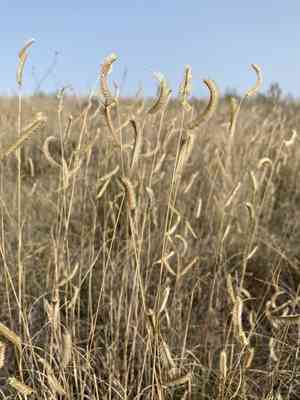
1
Flourishes in diverse soil types, offering flexibility for garden design.
2
Offers superior erosion prevention because of its extensive root network.
3
Needs little water after rooting, positioning it as an environmentally sound selection.
Why Opt for Blue Grama in Landscaping?
Versatility
A key attribute of Blue Grama is its capacity to flourish across diverse soil types. Regardless of whether your soil is sandy, clay, or loamy, this plant can adapt without hindering its development. This flexibility makes it a practical choice for landscape designers and gardeners facing challenging terrains. Furthermore, it tolerates both arid conditions and moderate moisture, suiting various climates.
Minimal Upkeep
Regarding maintenance, Blue Grama demands little effort. Once rooted, it needs infrequent watering, significantly cutting down on water usage and gardening time. Its slow growth rate also means less frequent mowing compared to other grass varieties. This positions Blue Grama as an ideal selection for those aiming for an attractive landscape without extensive time or resource investment.
Ecological Advantages of Blue Grama
Erosion Prevention
Blue Grama's dense root system is vital in preventing soil erosion. This makes it a valuable addition to inclines, embankments, and other areas prone to erosion. The roots bind the soil, lessening the risk of landslides and water runoff, which can severely damage landscapes and infrastructure.
Soil Health Enhancement
Beyond erosion control, Blue Grama contributes to overall soil vitality. Its roots aid in improving soil structure by boosting aeration and organic matter content. Over time, this results in healthier soil capable of supporting a broader range of plants, fostering biodiversity in your garden or landscape.
Blue Grama's Role in Biodiversity
Wildlife Sanctuary
Blue Grama offers an excellent habitat for various wildlife, including insects, birds, and small mammals. Its thick foliage provides shelter and nesting spots, while its seeds serve as a food source. By incorporating Blue Grama into your landscape, you can establish a micro-ecosystem that supports local biodiversity.
Pollinator Friendly
Pollinators like bees and butterflies are drawn to Blue Grama, making it a beneficial plant for them. This is especially important in urban and suburban areas where natural habitats have diminished. By supporting pollinators, you not only aid in the preservation of these crucial creatures but also enhance the health of your garden plants through improved pollination.
Aesthetic and Practical Applications of Blue Grama
Ground Cover
Blue Grama serves as an excellent ground cover plant. Its fine-textured leaves and distinctive appearance make it an attractive option for lawns, borders, and garden beds. Its ability to form a thick grass mat helps suppress weeds, reducing the need for chemical herbicides.
Xeriscaping
Given its low water needs, Blue Grama is a popular choice for xeriscapingâlandscaping designed to minimize or eliminate irrigation. This makes it particularly suitable for arid and semi-arid regions where water conservation is essential. Utilizing Blue Grama in xeriscaping not only conserves water but also creates a sustainable and low-maintenance landscape.
How to Plant and Maintain Blue Grama
Planting Advice
For optimal outcomes, sow Blue Grama seeds in spring or early summer. Ensure the soil is well-prepared by removing weeds and loosening the top layer. Distribute the seeds evenly and lightly cover them with soil. Water the area to aid seed establishment, but avoid over-watering.
Care Guidelines
Once established, Blue Grama requires minimal attention. Water sparingly and mow only when necessary to maintain the desired height. Regularly check for weeds, particularly during the first year of growth. Applying a thin layer of compost annually can supply vital nutrients, promoting healthier development.



