The Buffalo grass Plant Advantage: Maximizing Home and Office Appeal and Wellness
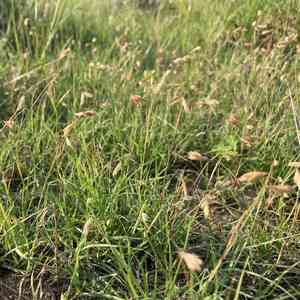
1
Buffalo grass tolerates dry conditions well, making it ideal for water-wise environments.
2
This grass flourishes in diverse soil compositions and needs little upkeep.
3
Buffalo grass forms a thick lawn, lessening the necessity for regular cutting.
Why Buffalo Grass is an Eco-Friendly Option
Reduced Water Needs
A key characteristic of Buffalo grass is its exceptional ability to withstand dry conditions. This turf thrives on minimal moisture, making it an ideal selection for areas prone to drought. Its deep root structure enables it to draw water from deeper soil layers, lessening the demand for frequent watering. This not only conserves water but also lowers utility costs, positioning it as an environmentally sound and economical lawn solution.
Minimal Upkeep Requirements
The ease of care associated with Buffalo grass is another factor contributing to its increasing appeal. This grass variety demands less frequent mowing compared to conventional lawn types. Its slow growth rate means homeowners spend less time and effort maintaining their lawns. Furthermore, Buffalo grass possesses natural resistance to many common pests and diseases, further decreasing the need for chemical treatments and fostering a healthier outdoor space.
How Buffalo Grass Benefits Soil and Surroundings?
Erosion Prevention
Buffalo grass plays a vital role in preventing soil erosion, thanks to its dense turf and extensive root system. These roots bind the soil together, making Buffalo grass an excellent choice for erosion-prone locations. Whether utilized on inclines, embankments, or flat terrains, Buffalo grass helps stabilize the soil and prevents it from being washed away by precipitation or wind.
Adaptability to Diverse Soil Types
Another remarkable advantage of Buffalo grass is its capacity to adapt to a wide array of soil compositions, from sandy loam to heavy clay. This versatility ensures that Buffalo grass can be successfully cultivated in various regions, providing a consistent and attractive lawn regardless of the underlying soil conditions. Its flexibility makes it a practical option for landscapers aiming for uniform outcomes in different environmental settings.
Can Buffalo Grass Enhance Biodiversity?
Support for Local Wildlife
Buffalo grass supports local ecological diversity by offering habitat and food sources for various insects and small creatures. Its blossoms attract pollinators such as bees and butterflies, contributing to the overall health of the local ecosystem. By incorporating Buffalo grass into landscapes, gardeners can foster a more varied and vibrant environment.
Compatibility with Indigenous Plant Species
The compatibility of Buffalo grass with other native plant species further boosts biodiversity. When paired with other indigenous plants, Buffalo grass creates a harmonious and sustainable landscape that mimics natural ecosystems. This approach not only benefits wildlife but also helps maintain soil health and reduces the need for artificial fertilizers.
Integrating Buffalo Grass into Your Landscape
Planting and Establishment Advice
Establishing Buffalo grass in your landscape begins with proper site preparation. Clear the area of weeds and debris before planting. Buffalo grass can be sown from seeds or planted as sod, depending on your preference and the size of the area. Ensure that the soil is well-draining and has adequate exposure to sunlight. Initial watering is crucial to help the grass establish, but once it is rooted, reduce the frequency of irrigation gradually.
Maintenance Routines
Even though Buffalo grass is low-maintenance, a few practices should be followed to keep it healthy: mow the grass to a height of 2 to 3 inches to ensure optimal growth and density; using organic fertilizers can provide the necessary nutrients without harming the environment; and perform occasional dethatching to remove any build-up of organic matter that could impede new growth. With these simple practices, your Buffalo grass lawn will remain lush and inviting year-round.



