The Common borage Plant Advantage: Maximizing Home and Office Appeal and Wellness
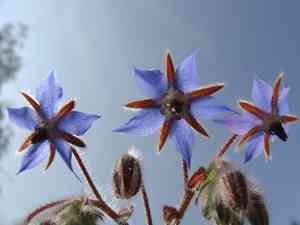
1
Borage, a common herb, serves as an excellent companion plant, drawing in helpful insects.
2
Both its foliage and blossoms are suitable for consumption, enhancing the texture and taste of meals.
3
Historically, common borage has found application in traditional medicine and culinary practices.
What Are the Nutritional Advantages of Borage?
Abundant in Key Nutrients
Borage is a nutritional powerhouse, loaded with vitamins and minerals vital for maintaining good health. It contains high levels of vitamin C, vitamin A, and various B vitamins, which can bolster your immune system, enhance skin health, and boost energy. Additionally, borage is a good source of essential minerals like calcium, magnesium, and potassium, all crucial for numerous bodily functions.
High in Antioxidant Compounds
Antioxidants are crucial for safeguarding your body against damage from free radicals, which can lead to chronic illnesses and aging. Borage is rich in antioxidants such as flavonoids and polyphenols, which help neutralize these harmful molecules. Including borage in your diet can, therefore, offer a natural defense against oxidative stress and promote overall well-being.
How Can Borage Benefit Your Garden?
Attracts Beneficial Insects
One of the key advantages of borage is its capacity to draw beneficial insects like bees and ladybugs to your garden. These insects are essential for pollination and can aid in controlling pest populations. Planting borage alongside your vegetables and flowers can thus improve the health and yield of your garden plants, while also fostering a balanced ecosystem.
Functions as a Companion Plant
Borage serves as an excellent companion plant, especially in vegetable gardens. Its ability to deter certain pests and attract helpful insects can shield your crops from harm and lessen the need for chemical pesticides. Furthermore, the plantâs deep root system helps aerate the soil and enrich its nutrient content, benefiting nearby plants. Good companions for borage include tomatoes, strawberries, and cabbage.
What Are the Culinary Applications of Borage?
Edible Blooms and Leaves
The flowers and leaves of borage are not only visually appealing but also edible. They can be used to add a pop of color and a subtle cucumber-like flavor to various dishes. The flowers are often used as a garnish in salads, desserts, and drinks, while the leaves can be incorporated into soups, stews, and herbal teas. This makes borage a versatile addition to your cooking repertoire.
Popular in Traditional Dishes
Borage has a long history of use in various cuisines globally. In Mediterranean cooking, the leaves are frequently used to prepare a type of green sauce or as an ingredient in savory pies. Its distinct flavor and nutritional benefits make it an excellent choice for adding depth and complexity to both modern and traditional recipes. Whether you're an experienced chef or a home cook, experimenting with borage can unlock new culinary possibilities.
Why Should You Cultivate Borage in Your Home Garden?
Simple to Grow
Borage is an excellent choice for both beginner and experienced gardeners due to its easy cultivation and minimal maintenance needs. The plant is robust and can thrive in various soil types and climatic conditions. It grows well in both sunny and partially shaded areas, making it a versatile addition to any garden. Simply sowing the seeds directly into the soil can yield a plentiful harvest with little effort.
Aesthetic Appeal
Beyond its practical uses, borage is also highly valued for its ornamental qualities. The plant produces beautiful, star-shaped flowers in shades of blue and pink that can add visual interest to any garden space. Whether used as a border plant or in mixed flower beds, borage can enhance the overall aesthetic appeal of your garden, making it a pleasant and inviting outdoor area.



