The Chinese bishopwood Plant Advantage: Maximizing Home and Office Appeal and Wellness
1
Chinese bishopwood makes a great choice for city environments because it's very resilient.
2
The timber from Chinese bishopwood is prized for use in woodworking and crafting furniture.
3
Chinese bishopwood offers advantages in preserving soil and preventing its erosion.
Why Chinese Bishopwood Excels in Urban Landscaping?
Versatility in Various Settings
A key attribute of Chinese bishopwood is its capacity to flourish across diverse environmental conditions. Whether situated in cityscapes or rural locales, it thrives, offering a dependable, eco-friendly option for urban planners and gardeners. Its tolerance for different soil types and resilience to varied climates make it an invaluable asset for city greening initiatives.
Visual Appeal and Canopy
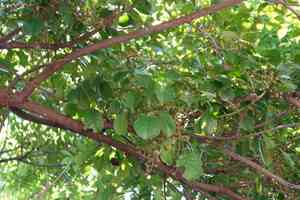
Beyond its hardiness and adaptability, Chinese bishopwood also offers considerable aesthetic value. Its foliage, with vibrant green leaves, transforms urban areas into more verdant, inviting spaces. Furthermore, its broad canopy provides excellent shade, making it an ideal selection for parks, public gardens, and residential zones where shade is highly valued, especially during warm summer months.
Chinese Bishopwood's Role in Soil Preservation
Erosion Prevention
Chinese bishopwood plays a vital role in preventing soil erosion, particularly on sloped and hilly terrains. Its root system is highly effective at anchoring the soil, preventing it from being washed away during heavy rainfall. This characteristic is especially beneficial in areas prone to landslides and soil degradation.
Soil Fertility Improvement
In addition to preventing soil erosion, Chinese bishopwood also contributes to soil enrichment. The fallen leaves from Chinese bishopwood decompose rapidly, infusing the soil with essential nutrients. This natural process not only enhances soil quality but also encourages the growth of nearby plants, fostering a more balanced and fertile ecosystem.
How Chinese Bishopwood Supports Sustainable Forestry
Valuable Timber Resource
Chinese bishopwood is highly esteemed for its timber, which is widely used in carpentry and furniture production. The wood is durable, pest-resistant, and features an attractive grain, making it a preferred choice for various woodworking projects. Sustainable harvesting practices ensure that Chinese bishopwood timber can be utilized without depleting natural resources, aligning with the principles of sustainable forestry.
Economic Benefits for Local Communities
The cultivation and harvesting of Chinese bishopwood provide substantial economic advantages to local communities. By generating employment opportunities in forestry, carpentry, and related sectors, Chinese bishopwood supports livelihoods and promotes economic development in rural regions. Moreover, the consistent demand for Chinese bishopwood timber helps ensure the long-term viability of these economic activities.
The Environmental Impact of Chinese Bishopwood
Biodiversity Enhancement
Planting Chinese bishopwood can positively influence local biodiversity. The tree offers habitat and food sources for various species of birds, insects, and small mammals. By fostering a diverse environment, Chinese bishopwood helps maintain ecological balance and promotes the health of local ecosystems.
Carbon Sequestration
Chinese bishopwood is effective at sequestering carbon, thereby helping to mitigate the effects of climate change. Through photosynthesis, Chinese bishopwood absorbs carbon dioxide from the atmosphere and stores it in its biomass and the surrounding soil. This process not only reduces greenhouse gas concentrations but also contributes to cleaner, healthier air.



