The Queen's tears Plant Advantage: Maximizing Home and Office Appeal and Wellness
1
Queen's tears requires little maintenance and flourishes with minimal oversight.
2
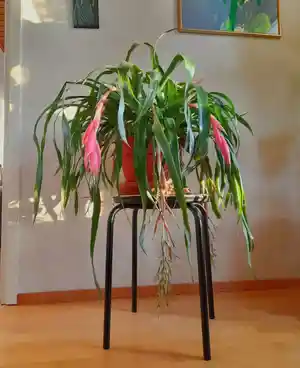
Its distinctive hanging flowers introduce vibrant hues to any setting.
3
Queen's tears is recognized for its capacity to cleanse indoor air by eliminating harmful substances.
How Does Queen's tears Improve Indoor Air Quality?
Natural Air Purification
Queen's tears serves as an excellent air purifier, capable of eliminating common household toxins like formaldehyde, benzene, and trichloroethylene. Through photosynthesis, the plant takes in carbon dioxide and releases oxygen, enhancing the overall air quality in your residence. This makes it a valuable asset for fostering a healthier indoor environment.
Humidity Regulation
Beyond purifying the air, Queen's tears aids in regulating indoor humidity levels. This is especially advantageous in arid climates or during winter months when indoor air tends to be dry. By releasing moisture into the air, Queen's tears contributes to a more balanced and comfortable living space.
What Makes Queen's tears an Aesthetic Addition to Your Home?
Unique Floral Display
Queen's tears is celebrated for its striking hanging flowers, which appear in shades of pink, blue, and green. These blossoms are not only beautiful but also long-lasting, providing a vibrant burst of color for many weeks. The elegant, tear-drop shaped flowers dangle gracefully, adding a touch of sophistication to any room.
Versatile Placement Options
One of the significant benefits of Queen's tears is its adaptability in placement. Whether you position it on a window sill, suspend it in a decorative pot, or utilize it as a centerpiece, Queen's tears integrates seamlessly into any decor style. Its compact growth makes it suitable for both small apartments and larger homes, allowing you to enjoy its beauty regardless of your living situation.
How Simple Is It to Care for Queen's tears?
Minimal Watering Requirements
A key characteristic of Queen's tears is its low watering needs. This plant prefers to dry out between waterings, making it perfect for busy individuals or those who might forget to water their plants regularly. Simply water the plant when the top inch of soil feels dry, and Queen's tears will flourish with minimal upkeep.
Adaptable Light Conditions
Queen's tears is highly flexible regarding light requirements. While it thrives in bright, indirect sunlight, it can also endure lower light conditions. This adaptability makes it an excellent choice for rooms with varying levels of natural light, ensuring it can prosper in almost any indoor setting.
Can Queen's tears Enhance Your Mental Well-being?
Stress Reduction
Numerous studies indicate that houseplants like Queen's tears can contribute to reduced stress levels and improved mental well-being. The presence of greenery has a calming effect, helping to lower blood pressure and lessen feelings of anxiety. By simply having Queen's tears in your home, you can create a more serene and relaxing environment.
Boosting Productivity
In addition to its stress-reducing advantages, Queen's tears can also boost productivity and creativity. Having plants in your workspace has been linked to improved focus, better concentration, and increased overall work performance. Consider placing Queen's tears in your home office or study area to leverage these cognitive benefits.
Are There Any Special Considerations for Queen's tears?
Temperature Tolerance
Queen's tears is quite resilient concerning temperature tolerance, preferring a range between 60-75°F (15-24°C). It can withstand brief periods of lower temperatures, but prolonged exposure to cold can be harmful. Ensure your plant is positioned away from drafty windows and doors to maintain its health.
Preventing Pests
While Queen's tears is generally pest-resistant, it's still crucial to watch out for common houseplant pests such as aphids and mealybugs. Regularly inspecting the plant and gently wiping down its leaves with a damp cloth can help prevent any potential infestations. If pests do appear, using a mild insecticidal soap can effectively manage the problem.



