The Chard Plant Advantage: Maximizing Home and Office Appeal and Wellness
1
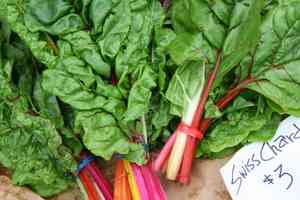
Swiss chard is rich in vital vitamins and minerals, promoting general well-being.
2
Eating Swiss chard regularly can aid digestion and enhance energy.
3
Swiss chard is a flexible component that fits well into many recipes.
What Nutrients Make Chard a Superfood?
Vitamins and Minerals
Chard offers an impressive nutritional profile, abundant in vitamins A, C, and K. These vitamins are essential for maintaining healthy vision, bolstering the immune system, and facilitating blood clot formation, respectively. Furthermore, Chard is packed with vital minerals such as magnesium, iron, and potassium, which play crucial roles in various bodily functions, from muscle activity to sustaining proper electrolyte balance.
Antioxidants
A prominent feature of Chard is its elevated antioxidant content. Antioxidants aid in shielding the body from oxidative stress, which can contribute to chronic illnesses. The presence of flavonoids and carotenoids in Chard provides robust defense against cellular damage, enhancing overall health and longevity.
How Does Chard Improve Your Digestive Health?
Dietary Fiber
Chard serves as an excellent source of dietary fiber, which is crucial for maintaining a healthy digestive system. Fiber assists in regulating bowel movements, preventing constipation and promoting regularity. Consuming Chard can lead to improved gut health and a more efficient digestive process.
Natural Detoxification
The chlorophyll found in Chard acts as a natural detoxifier, helping to cleanse the liver and eliminate toxins from the body. This detoxifying property aids in enhancing digestion and ensuring that the body efficiently processes the nutrients it receives.
Can Chard Boost Your Energy Levels?
Iron Content
Chard is rich in iron, a mineral that plays a vital role in oxygen transport and energy production. Adequate iron levels ensure that your body has sufficient hemoglobin to carry oxygen to your cells, helping to maintain high energy levels and prevent fatigue.
Magnesium and Manganese
The presence of magnesium and manganese in Chard significantly contributes to energy production and metabolic functions. Magnesium helps convert food into energy, while manganese is involved in the metabolism of carbohydrates and proteins, ensuring that your body operates efficiently.
How to Incorporate Chard into Your Diet
Simple Salad Additions
One of the easiest ways to enjoy Chard is by adding it to your salads. Its tender leaves and crunchy stalks provide a delightful texture and a nutritional boost. Simply chop the leaves and stalks and toss them into your favorite salad mix.
Savory Soups and Stews
Chard can be a hearty addition to soups and stews, adding both flavor and nutrition. It pairs well with ingredients like beans, potatoes, and tomatoes, making it a perfect addition to your next pot of soup or stew. Simply add chopped Chard toward the end of the cooking process to retain its vibrant color and nutrients.
What Are Some Creative Culinary Uses of Chard?
Sautéed Side Dish
Sautéing Chard with garlic and olive oil is a quick and easy way to prepare it as a side dish. The combination of the tender leaves and the sautéed stalks creates a delicious and nutritious accompaniment to any meal. Add a sprinkle of lemon juice and a pinch of sea salt for enhanced flavor.
Smoothie Ingredient
For a healthful twist, incorporate Chard into your morning smoothie. Blend the leaves with fruits like bananas, berries, and a splash of almond milk to create a nutrient-dense beverage that jumpstarts your day. The mild flavor of Chard blends seamlessly with other ingredients, making it an excellent addition to your smoothie repertoire.



