The Oregon grape Plant Advantage: Maximizing Home and Office Appeal and Wellness
1
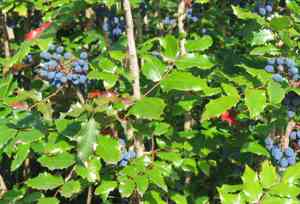
Mahonia aquifolium is an easy-care shrub capable of flourishing in diverse environments.
2
The fruits of Mahonia aquifolium are suitable for crafting tasty preserves and spreads.
3
Mahonia aquifolium has historically been utilized for its purported medicinal properties.
Why Select Oregon Grape for Your Garden?
Minimal Upkeep
Oregon grape is an exceptional plant suitable for gardens of any size. Its robust nature enables it to flourish in diverse climates, from challenging environments to humid settings. This makes it a perfect choice for gardeners seeking a resilient and low-maintenance plant. Moreover, Oregon grape displays excellent adaptability to various soil types, whether acidic or alkaline, reducing the need for soil amendments.
Appealing Look
Not only is Oregon grape tough, but it also possesses an attractive appearance. The plant produces vivid yellow blossoms in early spring, adding a burst of color to any garden. As the seasons advance, these flowers transform into clusters of dark blue fruits, providing year-round visual appeal. The glossy, holly-like foliage adds texture and visual depth, making Oregon grape a wonderful addition to ornamental gardens.
Culinary Applications of Oregon Grape
Crafting Delicious Preserves
One of the delightful uses for Oregon grape is in cooking. The berries can be gathered and transformed into various edible treats such as jams, jellies, and sauces. These preserves not only taste great but also offer a distinct tart flavor similar to cranberries. The vibrant blue fruits can also serve as natural food coloring, enhancing the visual appeal of your homemade preserves.
Integrating into Daily Meals
Beyond preserves, Oregon grape berries can also be incorporated into your daily diet in other ways. They can be dried and added to cereals, baked goods, or even blended into smoothies for an extra nutritional boost. This versatility makes Oregon grape a valuable addition to your pantry, offering both health and culinary advantages.
Traditional Uses and Benefits of Oregon Grape
Historical Importance
Historically, Oregon grape has been valued for its various potential applications in traditional practices. Indigenous communities and early settlers recognized its potential advantages and utilized different parts of the plant for a range of purposes. The woody stems, roots, and berries were often the primary components harvested.
Potential Uses in Contemporary Practices
Today, the potential applications of Oregon grape continue to be investigated. Its unique scent and natural compounds make it a popular ingredient in various traditional remedies and skincare products. While modern science is still exploring the full spectrum of benefits, traditional practices have long appreciated the plant for its diverse potential uses.
What Conditions Are Optimal for Growing Oregon Grape?
Climate and Soil Needs
Oregon grape thrives in a variety of climates and soil conditions. It is particularly well-suited for temperate zones but can also endure harsher environments. The plant prefers well-drained soil but can adapt to less than ideal soil conditions if necessary. Optimal growing conditions include partial to full sunlight, although Oregon grape can also grow in shaded areas, making it very adaptable.
Planting and Care Advice
When planting Oregon grape, it is crucial to space the shrubs adequately to allow for growth and air circulation. Mulching around the base of the plant can help retain soil moisture and suppress weeds. Regular pruning can improve the plant's shape and encourage healthy development. Despite its hardiness, occasional watering during extended dry periods can help maintain its vitality.
How to Harvest and Utilize Oregon Grape Effectively?
Harvesting Methods
Oregon grape berries are typically ready for collection in late summer to early autumn. It is best to gather the berries when they are fully ripe and deep blue. Gently shaking or using a berry rake can simplify the collection process. The leaves can also be harvested for decorative purposes, especially during the holiday season.
Utilization Suggestions
Once harvested, the berries should be washed and sorted. They can be frozen for later use or immediately used for making various culinary products. The leaves and stems can be dried and used in crafts or as natural decorative elements. Utilizing Oregon grape effectively can ensure that none of this valuable plant goes to waste.



