The Porcupine flower Plant Advantage: Maximizing Home and Office Appeal and Wellness
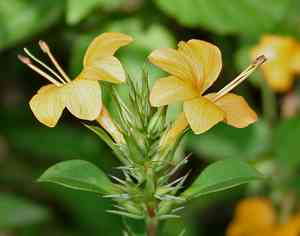
1
Porcupine flower possesses anti-inflammatory qualities, which are advantageous for dermal well-being.
2
This botanical is frequently incorporated into traditional medicines, highlighting its adaptability and inherent advantages.
3
Porcupine flower flourishes in warm, humid environments, rendering it readily available across numerous areas.
What Are the Health Advantages of Porcupine flower?
Anti-Inflammatory Qualities
A key advantage of Porcupine flower is its anti-inflammatory characteristics. This plant contains active compounds that help reduce inflammation, making it especially useful for addressing skin conditions like rashes, eczema, and even minor injuries. Applying a topical preparation from this plant can offer soothing relief and accelerate the healing process.
Supports Digestive Wellness
Beyond its external uses, Porcupine flower can also benefit internal health, particularly the digestive system. The plant possesses natural compounds that can help alleviate digestive problems such as constipation and indigestion. Consuming a herbal infusion or decoction made from Porcupine flower can promote smoother digestion and improve overall gut health.
How Is Porcupine flower Utilized in Traditional Remedies?
Topical Applications
In traditional medicine, Porcupine flower is commonly employed as poultices and pastes applied directly to the skin. These applications are effective in treating conditions like boils, burns, and insect bites. The plant's cooling effect provides immediate relief from itching and irritation, while its antimicrobial properties help prevent infections.
Herbal Teas and Extracts
Herbal teas and extracts derived from Porcupine flower are another popular method of harnessing its advantages. These preparations are typically used to treat respiratory issues such as coughs, colds, and bronchitis. The plant's soothing properties help to ease throat irritation and improve breathing, making recovery more comfortable.
What Environmental Advantages Does Porcupine flower Offer?
Soil Stabilization
Beyond its health benefits, Porcupine flower also plays a significant role in environmental sustainability. The plant's robust root system helps stabilize soil, preventing erosion and maintaining soil health. This is particularly important in areas prone to heavy rainfall or where topsoil is easily washed away.
Habitat for Pollinators
Additionally, Porcupine flower serves as a vital habitat for pollinators such as bees and butterflies. The plant's bright flowers attract these essential insects, which in turn aid in the pollination of other plants. This not only supports biodiversity but also enhances the productivity of gardens and agricultural systems.
Can Porcupine flower Be Cultivated at Home?
Cultivation Advice
Yes, Porcupine flower can be grown at home, making it accessible for those interested in its benefits. The plant thrives in tropical climates and requires minimal maintenance. It prefers well-drained soil and a sunny location. Watering should be regular but not excessive, as the plant is relatively drought-tolerant.
Propagating Porcupine flower
Propagation of Porcupine flower is typically done through seeds or cuttings. For successful germination, seeds should be sown in warm soil and kept moist until they sprout. Cuttings, on the other hand, should be taken during the growing season and planted in a mixture of sand and compost. With proper care, these cuttings will root and develop into full-grown plants.



