The Blue wild indigo Plant Advantage: Maximizing Home and Office Appeal and Wellness
1
Excellent for minimizing soil loss due to its extensive root network.
2
Draws in beneficial insects such as bees and butterflies.
3
Improves ground fertility through nitrogen fixation.
What Are the Environmental Advantages of Blue wild indigo?
Mitigates Soil Erosion
The deep root structure of Blue wild indigo makes it particularly effective at mitigating soil erosion. Its robust roots secure the soil, preventing it from being washed away by precipitation or carried off by the wind. This makes it an ideal plant for stabilizing inclines and embankments.
Attracts Pollinating Insects
One of the prominent features of Blue wild indigo is its capacity to draw in various pollinators, including bees and butterflies. By incorporating this plant into your garden, you can contribute to the well-being of local ecosystems by supplying vital food sources for these beneficial insects. In turn, these pollinators aid in the reproduction of other plants, fostering biodiversity.
How Does Blue wild indigo Enhance Soil Quality?
Nitrogen Fixation
Blue wild indigo is a leguminous plant, meaning it possesses the ability to convert atmospheric nitrogen into the soil. This process enriches the soil, making it more fertile and improving its overall quality. Farmers and gardeners frequently utilize Blue wild indigo as a natural fertilizer to boost soil health for subsequent plantings.
Improves Soil Structure
In addition to fertilizing, the extensive root system of Blue wild indigo aids in enhancing soil structure. The roots create pathways in the soil, which improves aeration and water penetration. This not only benefits Blue wild indigo itself but also renders the soil more hospitable for other plants.
Can Blue wild indigo Be Incorporated into Landscaping?
Visual Appeal
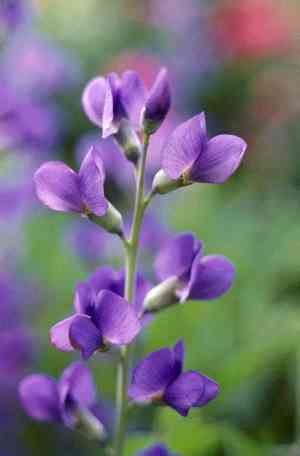
With its striking blue blossoms and attractive foliage, Blue wild indigo is a favored option for ornamental gardening. It can serve as a focal point in garden beds or be employed in border plantings. Its flowers add a burst of color that can brighten any landscape.
Low Maintenance
One of the benefits of Blue wild indigo in landscaping is its minimal maintenance requirements. Once established, it is drought-tolerant and resistant to pests, making it an ideal choice for gardeners seeking a resilient and easy-to-care-for plant.
What Are the Historical Uses of Blue wild indigo?
Cultural Significance
Blue wild indigo has a rich history of utilization among diverse cultures. Traditionally, it has been employed in ceremonial practices and holds symbolic importance. This cultural heritage adds an intriguing dimension to its allure.
Natural Dye Source
Historically, Blue wild indigo has also been used as a natural dye. The plant contains compounds that yield a rich blue dye, which has been employed in textile dyeing practices. This natural dye is not only sustainable but also offers a vibrant hue that endures over time.



