The White wild indigo Plant Advantage: Maximizing Home and Office Appeal and Wellness
1
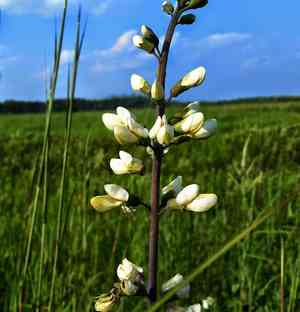
White wild indigo, a native species, flourishes in North American environments like prairies and open forests.
2
Its appealing blossoms and extended flowering season are vital for native pollinator support.
3
This plant requires minimal care, making it ideal for eco-friendly gardening methods.
Why White Wild Indigo is a Great Addition to Your Garden
Ecological Advantages
White wild indigo significantly boosts biodiversity, offering a home and food for native pollinators such as bees and butterflies. Its deep root structure helps stabilize soil and prevent erosion, making it a valuable plant for environmental preservation. Moreover, its ability to flourish in diverse soil types and conditions enables it to support a wide array of native wildlife.
Pollinator Support
A key benefit of White wild indigo is its role in aiding pollinators. Its blossoms draw in various bees and butterflies, which are vital for the pollination of numerous other plants. By cultivating White wild indigo, you contribute to sustaining the populations of these essential insects. Furthermore, its extended flowering period ensures a steady food source for these pollinators throughout the growing season.
How White Wild Indigo Enhances Garden Aesthetics
Visual Appeal
With its tall, striking white flower clusters, White wild indigo adds significant vertical interest to any garden or landscape. Its rich green foliage beautifully contrasts with its blooms, creating a captivating display. Whether used as a focal point in a flower bed or as part of a mixed border, White wild indigo elevates the aesthetic charm of its surroundings.
Seasonal Interest
Beyond its stunning summer blooms, White wild indigo offers year-round appeal. In autumn, its seed pods turn an intriguing black, adding texture and visual diversity to your garden. The plantâs dense green leaves form an attractive ground cover throughout the growing season, ensuring your landscape remains appealing from spring through fall.
Why White Wild Indigo is Perfect for Low-Maintenance Gardening
Drought Resistance
White wild indigo is renowned for its drought tolerance, requiring minimal irrigation once established. This makes it an excellent choice for gardeners aiming to conserve water or those in arid regions. Its deep root system allows it to access water and nutrients far below the soil surface, enhancing its resilience.
Minimal Care Needs
In addition to its drought resistance, White wild indigo demands very little upkeep. It is resistant to most diseases and pests, reducing the need for chemical treatments. Once established, it thrives with minimal intervention, making it an ideal option for gardeners who prefer a low-maintenance approach. Its self-sufficiency means you can enjoy its beauty and benefits without extensive effort.
Integrating White Wild Indigo into Your Garden Design
Companion Planting
White wild indigo pairs well with various other native plants, boosting the diversity and resilience of your garden. Consider planting it alongside other prairie species like coneflowers, black-eyed Susans, and grasses. This not only creates an aesthetically pleasing garden but also fosters a balanced and healthy ecosystem.
Planting and Care Advice
When planting White wild indigo, select a location with full sun to partial shade and well-drained soil. Space the plants about 1-2 feet apart to accommodate their mature size. Water them regularly during the initial growing season to establish roots, but reduce watering once established. White wild indigo thrives with minimal feeding but benefits from an occasional application of compost or organic fertilizer.



