The Buddha bamboo Plant Advantage: Maximizing Home and Office Appeal and Wellness
1
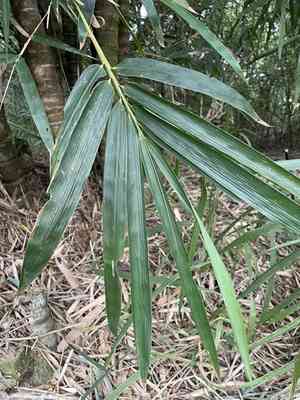
Buddha bamboo is recognized for its distinctive swollen stem sections, enhancing its visual charm.
2
Buddha bamboo has the ability to enhance indoor air purity by taking in harmful substances and emitting oxygen.
3
Buddha bamboo requires minimal upkeep, making it perfect for both new and experienced plant enthusiasts.
Why Select Buddha Bamboo for Your Landscape?
Visual Appeal: The Aesthetic Value of Buddha Bamboo
A primary reason many opt for Buddha bamboo is its undeniable visual charm. This plant is recognized for its distinct, swollen stem segments that set it apart from other bamboo types. These unique characteristics can bring a touch of sophistication and exotic allure to any setting, making it a favorite among landscape architects and interior designers alike.
Adaptability: Suitable for Diverse Settings
Another significant advantage of Buddha bamboo is its adaptability. It can flourish in various environments, from indoor spaces to outdoor gardens. Whether you aim to add greenery to your patio, office, or living room, Buddha bamboo can meet your requirements. Its capacity to grow in containers makes it a flexible option for city dwellers with limited space.
Environmental Advantages of Buddha Bamboo
Enhancing Air Purity
One of the prominent benefits of Buddha bamboo is its capacity to improve indoor air quality. Like other plants, it absorbs carbon dioxide and releases oxygen. However, Buddha bamboo goes further by absorbing toxins such as formaldehyde and benzene from the air. This makes it an excellent choice for enhancing the quality of indoor environments.
Sustainability: A Low-Maintenance Option
Buddha bamboo is also praised for its minimal upkeep, which is a considerable benefit for those who may not possess a green thumb. It requires infrequent watering and can endure a range of lighting conditions. This ease of care reduces the need for frequent attention, making it a sustainable choice for busy individuals or those new to gardening.
Health Benefits of Incorporating Buddha Bamboo into Your Space
Reducing Stress and Fostering Relaxation
The presence of Buddha bamboo in your living area can also contribute to mental well-being. Research indicates that being around plants can lower stress levels and promote tranquility. The calming green hues and natural form of Buddha bamboo can create a serene atmosphere, making it a perfect addition to areas where relaxation is key, such as bedrooms or study rooms.
Boosting Concentration and Productivity
Integrating Buddha bamboo into workspaces can also enhance focus and output. Plants have been shown to improve attention and cognitive function, making them an excellent addition to home offices or corporate settings. Having Buddha bamboo in your workspace can provide a natural boost to your mental capabilities, helping you remain sharp and attentive.
How to Care for Buddha Bamboo
Watering and Pruning: Maintaining Plant Health
Caring for Buddha bamboo is straightforward, but a few key tips are essential to keep your plant thriving. Watering should be moderate; the soil should be kept slightly damp but not waterlogged. Pruning is also necessary to maintain its shape and encourage new growth. The bulbous segments should be kept clean to prevent any fungal infections.
Optimal Light and Temperature Conditions
Buddha bamboo thrives in bright, indirect light but can also tolerate lower light conditions. It's crucial to avoid placing it in direct sunlight for extended periods, as this can cause the leaves to scorch. The ideal temperature range for Buddha bamboo is between 60°F to 80°F (15°C to 27°C), making it suitable for most indoor environments.
Common Issues and Their Solutions
Yellowing Leaves: Causes and Remedies
One frequent problem you might encounter with Buddha bamboo is yellowing leaves. This can stem from several factors, including overwatering, insufficient light, or nutrient deficiencies. To rectify this, adjust your watering schedule, ensure the plant receives adequate light, and consider adding a balanced fertilizer.
Pest Control: Keeping Your Plant Secure
Like all plants, Buddha bamboo can be vulnerable to pests such as spider mites and aphids. Regularly inspecting your plant and keeping the leaves clean can help prevent infestations. If you do notice pests, a mild insecticidal soap or neem oil can be effective solutions without harming the plant.



