The Groundsel bush Plant Advantage: Maximizing Home and Office Appeal and Wellness
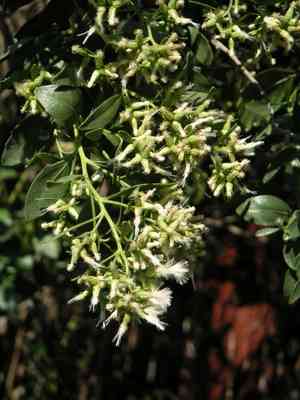
1
Groundsel bush naturally repels pests, safeguarding your garden from damaging insects.
2
This plant flourishes in diverse soil types, making it a versatile landscape addition.
3
Groundsel bush offers vital habitat and sustenance for native wildlife, fostering biodiversity.
Benefits of Cultivating Groundsel Bush
Natural Pest Repellent
Groundsel bush releases various compounds that function as natural pest deterrents, making it an excellent option for organic gardening. These substances help repel pests like aphids and caterpillars, reducing the need for synthetic pesticides and fostering a healthier garden ecosystem.
Versatility in Soil Types
A significant advantage of Groundsel bush is its adaptability. This plant thrives in diverse soil types, from sandy to clay-rich, making it a flexible choice for various garden environments. Whether your garden soil is acidic or alkaline, Groundsel bush can establish itself with minimal effort, requiring less soil amendment compared to other plants.
Groundsel Bush's Role in Supporting Biodiversity
Wildlife Sanctuary
Groundsel bush provides an excellent habitat for local wildlife, including birds and insects. Its dense foliage offers shelter and nesting sites, while its flowers provide a food source in the form of nectar and pollen. This helps promote a balanced and thriving ecosystem in your garden.
Pollinator Attraction
Groundsel bush is especially beneficial for pollinators such as bees and butterflies, which are crucial for the reproduction of many plant species, including crops. By planting Groundsel bush, you can attract these essential pollinators to your garden, boosting productivity and fostering a more vibrant garden environment.
Environmental Advantages of Groundsel Bush
Erosion Prevention
Groundsel bush possesses a robust root system that helps stabilize the soil, making it effective for controlling erosion in areas prone to washouts or landslides. This characteristic makes it particularly useful for planting on slopes or along waterways where soil erosion can be a significant issue.
Enhancing Soil Quality
By adding organic matter and promoting microbial activity in the soil, Groundsel bush improves soil health over time. Its leaves and stems decompose, contributing valuable nutrients back into the ground, which can enhance the overall fertility and structure of the soil in your garden.
Can Groundsel Bush Improve Your Garden's Appearance?
Year-Round Visual Appeal
Groundsel bush offers continuous visual interest with its attractive foliage and seasonal flowers. The plant's vibrant blooms can add a splash of color to your garden during the flowering seasons, while its foliage can provide a lush green backdrop throughout the year.
Minimal Upkeep
Another appealing characteristic of Groundsel bush is its low maintenance requirements. Once established, the plant needs minimal watering and pruning, making it a convenient choice for gardeners who prefer low-effort plants. Its drought-tolerant nature also means it can withstand dry periods, reducing the need for frequent irrigation.
Integrating Groundsel Bush into Your Garden Design
Garden Edges and Hedges
Groundsel bush can be effectively used in garden borders and as hedges, providing a natural barrier and adding structure to your garden design. Its dense growth habit makes it ideal for creating privacy screens and windbreaks.
Companion Planting Strategy
Consider incorporating Groundsel bush as part of a companion planting strategy. Its pest-repellent properties can protect more vulnerable plants when planted nearby. Additionally, its ability to attract beneficial insects can help promote a more balanced garden ecosystem.



