The Japanese laurel Plant Advantage: Maximizing Home and Office Appeal and Wellness
1
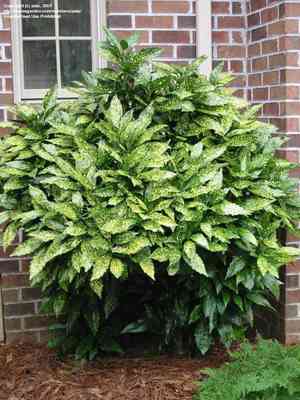
Aucuba japonica flourishes in shaded locations, making it ideal for brightening dim garden areas.
2
Its vivid leaves provide consistent color throughout the year, including colder months.
3
This plant requires minimal care and adapts well to diverse soil types.
What Makes Japanese laurel Stand Out in the Garden?
Aesthetic Appeal
The vivid, shiny leaves of Japanese laurel instantly catch the eye, offering an evergreen element that brightens up shaded and partly shaded spots. Its variegated types, with flecks of yellow or white, can create striking contrasts in your garden, making it an ornamental focal point.
Year-Round Interest
Unlike many other garden plants that have distinct growing periods, Japanese laurel maintains its lush appearance throughout the entire year. This makes it a dependable option for gardeners aiming to preserve color and texture in their gardens, even during the colder months.
How Does Japanese laurel Benefit Your Landscape Design?
Versatility in Planting
Japanese laurel is exceptionally adaptable, flourishing in both containers and in-ground settings. It is well-suited for understory planting beneath larger trees and shrubs, as well as adding height and structure to mixed borders. Additionally, it can be shaped into hedges or standalone focal points, offering flexibility to suit various garden styles.
Low-Maintenance Requirements
One of the most significant advantages of Japanese laurel is its minimal upkeep. It can endure a variety of soil types, from well-draining to clay soils, and needs little pruning. Once established, it has moderate drought resistance, meaning less frequent watering. Furthermore, Japanese laurel is relatively pest and disease-resistant, reducing the need for chemical interventions.
Can Japanese laurel Thrive in Urban Environments?
Pollution Tolerance
Japanese laurel is well-suited to urban settings, showing resilience to air pollution and other environmental stresses common in cities. This makes it an ideal choice for city gardens, public parks, and urban landscapes where other plants might struggle.
Space Efficiency
In confined urban areas where every inch matters, Japanese laurel's ability to flourish in partial shade is a huge benefit. Its moderate growth rate and manageable size make it suitable for small gardens, balconies, and terraces, providing abundant greenery in spaces where larger plants might not be viable.
What Are the Ecological Contributions of Japanese laurel?
Supporting Biodiversity
Although primarily cultivated for its foliage, Japanese laurel can also produce small blooms that attract pollinators such as bees and butterflies, supporting local biodiversity. In addition, the plant offers refuge for various small creatures, contributing to a balanced garden ecosystem.
Soil Erosion Prevention
Japanese laurel possesses a robust root system that helps to bind the soil, making it an excellent plant for slopes and areas prone to erosion. Its capacity to stabilize the soil can prevent landslides and reduce runoff, thereby protecting the landscape.
Tips for Growing and Maintaining Japanese laurel
Ideal Growing Conditions
To get the best from Japanese laurel, plant it in a location that receives partial to full shade. While it can tolerate a range of soil types, incorporating organic matter will enhance growth. Ensure the soil is well-draining to prevent waterlogging.
Routine Care
Water Japanese laurel regularly during its initial growth phase to help establish a robust root system. Once settled, its watering requirements decrease. Apply a balanced, slow-release fertilizer in the spring to promote healthy foliage. Prune sparingly to maintain shape and remove any damaged or dead leaves.



