The Asystasia gangetica Plant Advantage: Maximizing Home and Office Appeal and Wellness
1
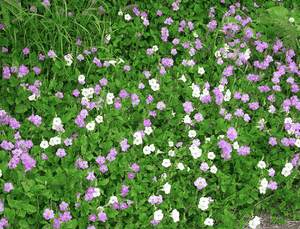
Chinese violet serves as an effective natural ground cover, inhibiting soil degradation.
2
The foliage of Chinese violet is packed with nutrients and suitable for compost piles.
3
Chinese violet blossoms draw in pollinators, making them a beneficial inclusion in any garden.
Benefits of Incorporating Chinese Violet in Your Garden
Erosion Control Capabilities
Chinese violet excels at preventing soil erosion due to its dense growth habit. Its root system binds the soil, minimizing the risk of soil displacement by rainfall. This is especially advantageous in areas prone to heavy precipitation or sloped gardens.
Natural Mulch and Soil Enrichment
A notable characteristic of Chinese violet is its capacity to enrich the soil. As it develops, it forms a natural layer of mulch that decomposes over time. This organic material supplies vital nutrients to the soil, boosting its fertility and fostering healthier plant development.
Boosting Garden Biodiversity
Attracting Beneficial Pollinators
The attractive blooms of Chinese violet are known to draw in various pollinators, including bees, butterflies, and birds. This not only adds charm to your garden but also aids in the pollination of other plants, enhancing overall garden productivity and ecological diversity.
Supporting Beneficial Insect Populations
Beyond attracting pollinators, Chinese violet also supports a range of helpful insects. These insects, such as ladybugs and predatory beetles, can naturally manage pest populations. By integrating Chinese violet into your garden, you foster a balanced ecosystem that promotes sustainable gardening practices.
Enhancing Livestock and Soil Health
Nutritious Feed for Farm Animals
In many agricultural settings, Chinese violet serves as a valuable source of fodder for livestock. Its leaves are rich in nutrients, providing essential vitamins and minerals to animals. This not only improves animal health but also reduces reliance on commercial feed, lowering farming expenses.
Improving Soil Structure
Chinese violet's deep root system helps enhance soil structure by creating pathways that allow water and air to penetrate the soil more effectively. This reduces soil compaction and increases the soil's capacity to retain moisture, thereby supporting the growth of other plants.
Cultivating and Caring for Chinese Violet
Optimal Growing Conditions
Chinese violet thrives in various conditions, making it an excellent choice for diverse environments. It prefers well-drained soil and can tolerate partial shade to full sun. Consistent watering is crucial during establishment, but once mature, it can endure dry spells, making it a low-maintenance garden addition.
Propagation Methods
Propagating Chinese violet is relatively simple. It can be grown from seeds, cuttings, or by dividing existing plants. For best results, plant seeds or cuttings in well-prepared soil with good drainage. During initial growth, maintain adequate moisture and protect young plants from extreme weather to ensure vigorous development.



