The False buck's beard Plant Advantage: Maximizing Home and Office Appeal and Wellness
1
False buck's beard improves your garden's look with its bright blooms.
2
This plant flourishes in low-light spots, ideal for decorating shaded areas.
3
False buck's beard draws in many pollinators, supporting a thriving ecosystem.
What Are the Visual Benefits of False buck's beard?
Color and Texture
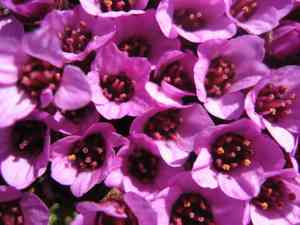
False buck's beard is known for its substantial, feathery blossoms that appear in hues of pink, red, white, and purple. These vivid colors can invigorate any garden, establishing a visual anchor. The delicate, soft texture of its blooms beautifully contrasts with its rich, green leaves, making it an excellent choice for adding depth and variety to garden layouts.
Seasonal Interest
A key attribute of False buck's beard is its capacity to offer appeal throughout the growing period. Its flowers typically emerge from late spring to early summer, providing spectacular color during these months. Even after the blooms fade, the plant's foliage remains attractive, ensuring continuous visual charm. This makes False buck's beard a flexible option for maintaining a vibrant garden all season long.
How Does False buck's beard Benefit Garden Ecosystems?
Pollinator Attraction
False buck's beard is highly effective at drawing in pollinators such as bees, butterflies, and other beneficial insects. These pollinators not only aid in the growth of False buck's beard itself but also support the overall health of your garden. By encouraging these insects to visit, you promote better pollination for various plants, leading to more robust and productive growth.
Soil Improvement
False buck's beard flourishes in damp, well-drained soil, and its presence can actually enhance soil conditions over time. As the plant establishes, its root system helps aerate the soil, improving drainage and allowing other plants to thrive. Furthermore, organic matter from fallen leaves and decayed flowers contributes to soil fertility, supplying essential nutrients for other garden plants.
Why Is False buck's beard Ideal for Shady Areas?
Shade Tolerance
One of the most significant advantages of False buck's beard is its excellent ability to tolerate shady conditions. This plant is well-suited for spots where many other plants would struggle, such as beneath trees or in the shadow of larger shrubs. By thriving in low-light environments, False buck's beard can help fill those challenging areas in your garden, creating a more unified and visually pleasing landscape.
Versatile Planting Options
False buck's beard can be utilized in various planting schemes to enhance shaded areas. It's perfect for border plantings, where its tall, plume-like flowers can form a natural barrier or backdrop. It also performs well in mass plantings, where groups of False buck's beard can create impressive swathes of color and texture. Whether used as a single specimen or combined with other shade-tolerant species, False buck's beard offers adaptable planting choices to suit any garden design.
How to Care for False buck's beard?
Watering and Fertilization
While False buck's beard is relatively low-maintenance, it does require consistent moisture to thrive. Regular irrigation is crucial, especially during dry periods, to keep the soil damp but not waterlogged. Applying a balanced, slow-release fertilizer in the spring can also help support healthy growth and vibrant blooms. Mulching around the plant's base can help retain moisture and suppress weeds, further reducing upkeep efforts.
Pruning and Maintenance
Pruning False buck's beard is straightforward and mainly involves removing faded flowers to encourage more blooms and maintain a neat appearance. In the autumn, cutting the plant back to ground level can help it prepare for winter and promote vigorous growth in the spring. Regularly checking for pests and diseases is also advisable, though False buck's beard is generally resistant to many common garden issues.



