The Purple milkweed Plant Advantage: Maximizing Home and Office Appeal and Wellness
1
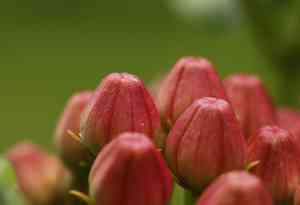
Purple milkweed serves as a crucial plant for pollinators, drawing in butterflies.
2
This plant requires minimal upkeep, making it ideal for novice gardeners.
3
Purple milkweed offers considerable environmental advantages by aiding native fauna.
Why Consider Purple Milkweed for Your Garden?
Pollinator Attraction
Purple milkweed excels at drawing in various pollinators, including butterflies, bees, and other helpful insects. This trait makes it a valuable addition to any garden focused on boosting biodiversity. By planting Purple milkweed, you establish a small ecosystem that supports the health and growth of these vital species.
Low Maintenance Requirements
A key feature of Purple milkweed is its minimal care needs. This makes it an ideal option for both new gardeners and those aiming to simplify their gardening tasks. Purple milkweed can thrive in diverse soil types and endure dry conditions, cutting down on the time and effort needed for its upkeep.
Ecological Contributions
Purple milkweed plays a crucial role in supporting local wildlife beyond just pollinators. It offers refuge and food sources for various birds and small mammals. By planting Purple milkweed, you're not only enhancing your garden's beauty but also contributing to the broader ecological well-being of your region.
What Are the Aesthetic Benefits of Purple Milkweed?
Stunning Visual Appeal
Purple milkweed is known for its striking look, which adds a unique visual charm to any garden. The plant features vibrant colors and intricate flower patterns that can act as captivating focal points in your garden design. These aesthetic qualities make Purple milkweed a popular choice among garden designers.
Seasonal Interest
Another advantage of Purple milkweed is its capacity to provide seasonal appeal. Its blossoms appear at different times throughout the growing period, ensuring your garden remains visually attractive from spring to late summer. This continuous display of colors can enhance the overall aesthetic experience of your outdoor space.
Complementary Planting
Purple milkweed can be paired with various other plants to create a harmonious and visually pleasing garden arrangement. Its compatibility with other native plants allows you to develop diverse planting schemes that are not only beautiful but also ecologically sound. This complementary nature adds depth and versatility to your garden.
What Are Some Practical Uses of Purple Milkweed?
Erosion Control
Purple milkweed possesses strong root systems that are effective in preventing soil erosion. By planting Purple milkweed, you can help stabilize soil in areas prone to erosion, such as slopes and riverbanks. This makes Purple milkweed a practical choice for gardeners looking to protect their landscapes from the damaging effects of soil loss.
Natural Pest Management
Purple milkweed can also contribute to natural pest control methods. Its ability to attract beneficial insects, such as ladybugs and predatory wasps, helps manage pest populations naturally. This eco-friendly approach reduces the need for chemical pesticides, making your garden healthier and more sustainable.
Wildlife Habitat Creation
Beyond its role in pollination and visual appeal, Purple milkweed serves as a vital habitat for many forms of wildlife. Its dense foliage and flowers provide shelter and food sources for birds, insects, and other small creatures. By incorporating Purple milkweed into your garden, you are actively creating a supportive environment for local wildlife.



