The Hairy arundinella Plant Advantage: Maximizing Home and Office Appeal and Wellness
1
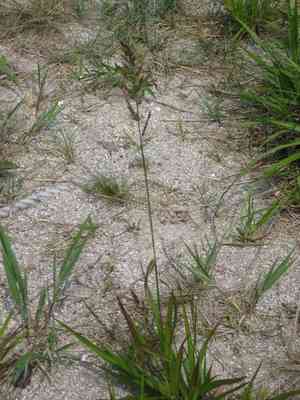
Hairy arundinella is a beneficial plant species recognized for its important environmental advantages.
2
Hairy arundinella aids in preventing soil degradation, fostering ecological well-being.
3
Its thick growth habit makes Hairy arundinella an ideal option for covering ground in garden design.
What are the Environmental Advantages of Hairy Arundinella?
Soil Preservation
Hairy arundinella plays a vital part in preserving soil. Its extensive root network helps bind the earth, minimizing the chance of erosion. This feature is especially valuable in areas susceptible to erosion from water or wind. By stabilizing the soil, Hairy arundinella not only prevents the loss of fertile topsoil but also contributes to the overall health of the ecosystem.
Fostering Biodiversity
Hairy arundinella provides a home for various insect and small animal species, enhancing biodiversity. The protection and sustenance offered by this plant create a miniature ecosystem that supports diverse life forms. This biodiversity is crucial for maintaining ecological equilibrium and promoting the resilience of natural habitats.
How Does Hairy Arundinella Benefit Landscaping?
Ground Cover Solution
The dense growth habit of Hairy arundinella makes it an excellent plant for covering ground. It spreads rapidly, covering large areas and reducing the need for frequent upkeep. This makes it a popular choice for gardens, parks, and other landscaping endeavors, where it helps maintain aesthetic appeal while offering practical advantages.
Minimal Upkeep
Hairy arundinella is known for its low maintenance needs. It requires minimal irrigation and can flourish in various soil types, making it a cost-effective option for landscaping. Its resistance to pests and diseases further lessens the need for chemical interventions, promoting an eco-friendly approach to landscape management.
What Role Does Hairy Arundinella Play in Agriculture?
Soil Enrichment
Hairy arundinella contributes to soil fertility through its organic matter. As the plant grows and eventually decays, it returns essential nutrients to the soil, boosting its fertility. This natural process reduces the need for synthetic fertilizers, promoting sustainable farming practices.
Companion Planting
In agriculture, Hairy arundinella is often used in intercropping systems. Its presence alongside other crops can improve overall soil health and provide a natural barrier against pests. This beneficial relationship can lead to healthier crops and higher yields, demonstrating the plant's adaptability and usefulness in farming.
Why is Hairy Arundinella Important for Environmental Sustainability?
Carbon Capture
Hairy arundinella assists in carbon sequestration, a process where plants absorb carbon dioxide from the atmosphere and store it in their biomass and the soil. This ability helps lessen the impacts of climate change by reducing the amount of CO2, a greenhouse gas, in the atmosphere. The contribution of Hairy arundinella to carbon capture highlights its importance in strategies aimed at combating global warming.
Water Management Benefits
The structure of Hairy arundinella aids in water management by enhancing the soil's water retention capacity. Its roots help create a network that can absorb and hold water, reducing runoff and promoting groundwater replenishment. This characteristic is particularly advantageous in arid and semi-arid regions, where water conservation is vital.
How Can Hairy Arundinella Be Utilized in Restoration Projects?
Land Restoration
Hairy arundinella is effectively used in restoring degraded lands. Its resilience allows it to thrive in poor soil conditions, making it an excellent choice for rehabilitating lands affected by desertification, deforestation, or industrial activities. The growth of Hairy arundinella on these lands initiates the process of ecological recovery, paving the way for the return of other plant species and wildlife.
Mine Site Rehabilitation
In mining reclamation projects, Hairy arundinella helps stabilize spoil heaps and reduce erosion. Its ability to grow in nutrient-poor soils makes it invaluable in these harsh environments. Over time, Hairy arundinella helps transform barren mining sites into green spaces, contributing to environmental restoration and improving the visual landscape.



