The Goat's beard Plant Advantage: Maximizing Home and Office Appeal and Wellness
1
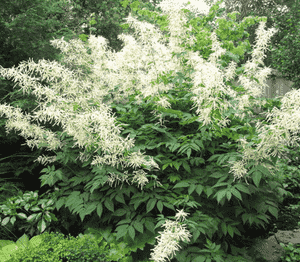
Goat's beard makes a superb decorative plant due to its airy, striking flowers.
2
This plant flourishes in damp, adequately draining soil, allowing for straightforward cultivation in diverse environments.
3
The appealing leaves of goat's beard contribute texture and richness to garden designs.
How Does Goat's beard Enhance Your Garden?
Aesthetic Appeal
A primary reason gardeners appreciate Goat's beard is its visual charm. The plant showcases tall, fluffy white blossoms that resemble a goat's beard, making it a striking centerpiece in any garden. During its bloom period, typically late spring to early summer, Goat's beard fills the garden with its voluminous, cloud-like flowers that gently sway. This visual display can transform an ordinary garden space into a captivating haven.
Versatile Landscaping
Beyond its visual charm, Goat's beard is highly adaptable in garden design. Its impressive height and density make it an excellent option for establishing natural borders or hedges. It complements other shade-loving plants like hostas and ferns, providing a layered and textured look to garden beds. Its ability to flourish in moist, well-drained soils also means it can be utilized in various settings, including woodland gardens, alongside waterways, or in shaded areas where other plants might struggle.
What Environmental Benefits Does Goat's beard Offer?
Improving Soil Quality
Goat's beard significantly contributes to soil health. Its extensive root system helps to aerate the soil, allowing water and nutrients to penetrate more deeply. This improved soil structure not only benefits Goat's beard but also enhances the growing conditions for nearby plants. Furthermore, Goat's beard can stabilize soil, preventing erosion in areas prone to heavy rainfall or wind.
Supporting Biodiversity
Cultivating Goat's beard offers ecological advantages as well. The plant provides habitat and refuge for various insects, birds, and small mammals. Its flowers are particularly attractive to pollinators such as bees and butterflies, which are vital for the health of your garden ecosystem. By planting Goat's beard, you are contributing to the preservation and support of local biodiversity.
How to Care for Goat's beard?
Ideal Growing Conditions
Caring for Goat's beard is relatively simple, making it an excellent choice for both new and experienced gardeners. The plant prefers partial to full shade, though it can tolerate some sun if the soil remains moist. Optimal growing conditions include rich, well-drained soil with consistent moisture. Watering should be regular but not excessive, as overly wet conditions can lead to root rot.
Pruning and Maintenance
Pruning Goat's beard is crucial to maintain its form and encourage robust growth. Removing spent flowers can promote new blooms and prevent the plant from self-seeding excessively. At the close of the growing season, cutting back the stems to ground level prepares the plant for dormancy and revitalizes it for the following year. Mulching around the base can also help retain soil moisture and provide additional nutrients.
What Are the Landscaping Uses of Goat's beard?
Creating Focal Points
Due to its striking appearance, Goat's beard is often used as a central feature in garden design. Planting it as a centerpiece in a garden bed or at the entrance of a garden path can draw attention and add a dramatic element to the landscape. Its large, airy plumes contrast beautifully with denser foliage plants, creating visual interest and depth.
Complementary Plantings
Goat's beard pairs well with various other plants, especially those that thrive in similar conditions. Hostas, ferns, and bleeding hearts are excellent companions that can enhance the lush, woodland aesthetic. Additionally, planting Goat's beard alongside water features like ponds or streams can create a naturalistic, serene environment that enhances the overall garden experience.



