The White mugwort Plant Advantage: Maximizing Home and Office Appeal and Wellness
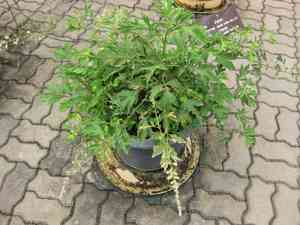
1
White mugwort is recognized for its distinct fragrant properties that can elevate your cooking endeavors.
2
This adaptable herb can flourish in diverse soil conditions, simplifying its cultivation in your outdoor space.
3
White mugwort provides various wellness advantages, such as aiding digestion and decreasing swelling.
What Makes White Mugwort Unique?
Culinary Applications
White mugwort boasts a rich culinary heritage, frequently employed to season various dishes and drinks. Its distinct scent and slightly bitter taste render it an excellent addition to broths, stews, and herbal infusions. Furthermore, the plant's leaves can be utilized fresh or dried, offering versatility in numerous recipes. Whether you're a professional chef or a home cook, White mugwort can elevate your gastronomic creations to new levels.
Fragrant Qualities
White mugwort possesses essential oils that impart a characteristic aroma. This fragrant attribute is especially advantageous for culinary purposes but extends to other domains as well. For instance, you can employ dried White mugwort leaves in sachets to refresh your living space. Its agreeable scent can also be integrated into homemade candles, soaps, and other DIY endeavors, introducing a natural and invigorating fragrance to your surroundings.
Cultivating White Mugwort in Your Garden
Optimal Growing Conditions
White mugwort is a resilient plant capable of adapting to diverse soil types, making it an excellent choice for gardeners of all experience levels. It flourishes in well-drained soil and can endure both full sun and partial shade. To ensure peak growth, position White mugwort in an area with ample air circulation and water it consistently, particularly during dry periods. With minimal upkeep, you can enjoy a vibrant and thriving White mugwort plant.
Propagation Methods
White mugwort can be propagated via seeds or cuttings. If you're starting from seeds, sow them in the spring following the last frost. For cuttings, take a healthy section of the plant and root it in water or a moist soil mixture. Regardless of the method chosen, provide consistent care to aid the new plants in establishing themselves. Once established, White mugwort is relatively low-maintenance and can prosper with minimal intervention.
Health Advantages of White Mugwort
Digestive Wellness
A prominent benefit of White mugwort is its capacity to support digestive health. The plant contains compounds that can soothe the digestive tract and stimulate the production of digestive enzymes. This can aid in improving digestion, reducing bloating, and alleviating stomach discomfort. Incorporating White mugwort into your diet, either as a culinary ingredient or in the form of herbal teas, can provide these digestive benefits.
Anti-inflammatory Properties
White mugwort is also recognized for its anti-inflammatory attributes, which can help diminish inflammation within the body. This is particularly advantageous for individuals managing inflammatory conditions. The plant's compounds work to inhibit the generation of inflammatory markers, thereby easing symptoms. Regular consumption of White mugwort, whether through food, beverages, or supplements, can contribute to overall well-being by mitigating inflammation.
Innovative Uses for White Mugwort
DIY Skincare Solutions
White mugwort can be a valuable addition to your skincare regimen. Its anti-inflammatory and aromatic qualities make it an excellent component for homemade skincare products. You can formulate soothing facial masks, exfoliants, and lotions using White mugwort leaves and essential oils. These DIY skincare remedies can help enhance skin health, reduce redness, and impart a natural fragrance.
Home Decor and Crafting
Beyond its health and culinary applications, White mugwort can also be utilized in various home decor and craft projects. The plant's appealing foliage can be incorporated into floral arrangements and wreaths, adding a touch of natural beauty to your home. Additionally, dried White mugwort leaves can be used in potpourri, sachets, and other crafts, offering both visual appeal and a pleasant aroma. Be creative and explore the numerous ways White mugwort can enrich your living space.



