The Tarragon Plant Advantage: Maximizing Home and Office Appeal and Wellness
1
Tarragon is celebrated for its fragrant properties, improving the flavor of food.
2
It possesses advantageous substances that aid in digestion.
3
Tarragon contains antioxidants which assist in combating oxidative damage.
Understanding Tarragon
Tarragon's Historical Background
Tarragon originated in ancient societies, valued for its distinct taste and medicinal qualities. Over centuries, it has been cultivated and utilized in various forms, from fresh and dried leaves to essential oils, making it a cherished herb in numerous cultures.
Tarragon's Characteristics
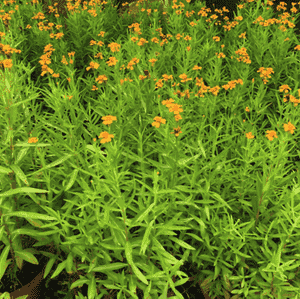
Tarragon is a perennial herb featuring slender, green foliage and a unique scent. It thrives in well-drained soil and sunny spots, making it an easy-to-grow plant for home gardens. Its leaves are commonly incorporated into culinary dishes to impart a distinctive, fresh flavor.
Tarragon's Culinary Applications
Flavor Enhancement in Cuisine
Tarragon is frequently employed to amplify the tastes of various dishes. Its delicate, subtly sweet flavor makes it an ideal addition to salads, dressings, and marinades. Chefs globally use Tarragon to add a refined touch to their gastronomic creations.
A Core Component in Renowned Cuisines
In French cooking, Tarragon is a vital component of the traditional herb blend 'fines herbes,' used to season chicken, fish, and egg dishes. Furthermore, Tarragon excels in Béarnaise sauce, a classic French condiment that accompanies steaks and roasted vegetables.
Tarragon's Health Advantages
Aids Digestive Wellness
One significant benefit of Tarragon is its capacity to assist digestion. The herb stimulates bile production, which helps in food breakdown and nutrient absorption. This makes Tarragon a valuable addition to meals, especially for those prone to digestive discomfort.
Abundant in Antioxidants
Tarragon contains compounds like flavonoids and phenolic acids that act as antioxidants. These molecules play a crucial role in safeguarding cells from oxidative stress and free radical damage, contributing to overall cellular health and well-being.
Cultivating Tarragon at Home
Optimal Growth Conditions
Tarragon flourishes in sandy, well-drained soil with ample sunlight. For best outcomes, plant Tarragon in a spot that receives at least six hours of direct sun daily. Consistent watering is necessary, but avoid overwatering, as Tarragon prefers slightly dry conditions.
Harvesting and Storing Tarragon
Tarragon leaves can be gathered as needed throughout the growing season. For extended preservation, drying the leaves maintains their flavor and prolongs their shelf life. To dry Tarragon, simply hang the cut stems in a warm, dry area away from direct sunlight until completely dry.



