The Southernwood Plant Advantage: Maximizing Home and Office Appeal and Wellness
1
Southernwood is recognized for its agreeable citrus scent, which aids in deterring pests.
2
In the past, Southernwood found application in customary ceremonies and scented mixtures due to its fragrant qualities.
3
Southernwood thrives in moderate climates and requires little effort to cultivate and sustain.
Why Opt for Southernwood in Your Garden?
Visual Appeal and Simple Upkeep
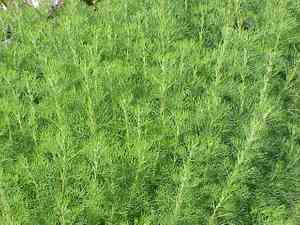
Southernwood stands out as an excellent choice for gardeners desiring a plant that's both low-maintenance and visually pleasing. Its delicate, silvery-green foliage offers a striking contrast to other plants, adding texture and depth to garden designs. Beyond its beauty, Southernwood tolerates drought and resists various pests and diseases, making it a superb option for environmentally friendly gardening.
Natural Insect Deterrent
A key advantage of Southernwood is its capacity to ward off undesirable insects. The plant's citrus-like fragrance is not only agreeable to humans but also serves as a natural repellent for pests such as moths, mosquitoes, and ants. By cultivating Southernwood in your garden, you can lessen the need for chemical insecticides, fostering a healthier ecosystem.
Culinary Applications of Southernwood
Flavor Enhancer
Southernwood can be utilized to boost the taste of various dishes. Its subtle lemony scent and slightly bitter flavor make it a wonderful addition to soups, stews, and sauces. Both professional chefs and home cooks value the distinct flavor profile Southernwood contributes to their culinary creations.
Herbal Infusions
Herbal teas prepared from Southernwood are not only fragrant but also invigorating. Simply steep fresh or dried leaves in hot water to create a calming, caffeine-free drink. This tea can be enjoyed on its own or blended with other herbs for a personalized mixture.
Traditional Uses of Southernwood
Aromatic Qualities
Historically, Southernwood has been prized for its fragrant attributes. It was frequently employed in traditional ceremonies and as a primary component in potpourri to refresh living spaces. Even today, dried Southernwood leaves are incorporated into sachets and herbal pillows to impart a clean, stimulating aroma.
Cultural Importance
Southernwood holds a significant position in various cultures, being used in rituals and folklore. It symbolizes protection and was often planted around homes to deter malevolent spirits. This cultural richness adds another layer of meaning to cultivating Southernwood in your garden.
Practical Uses for Southernwood
Companion Planting
Southernwood can be an excellent companion plant in vegetable gardens due to its pest-repelling characteristics. It can be planted alongside vegetables like tomatoes and beans to keep harmful insects away, promoting improved growth and yield.
Crafting and Adornment
The robust stems and aromatic leaves of Southernwood make it a popular choice for crafting. It can be incorporated into wreaths, bouquets, and other decorative arrangements, adding a natural touch to home decor. The plant's pleasant fragrance enhances the overall atmosphere, making your living space more welcoming.
Cultivating and Tending to Southernwood
Planting Advice
Southernwood thrives best in well-drained soil and a sunny spot, though it can endure partial shade. It's advisable to plant Southernwood in the spring after the last frost to ensure optimal development. Space the plants approximately 24 inches apart to allow them ample room to spread.
Maintenance and Trimming
Southernwood requires minimal upkeep, making it perfect for busy gardeners. Regular pruning helps to encourage a bushier habit and prevents the plant from becoming leggy. Additionally, occasional watering during dry periods ensures that Southernwood remains healthy and vibrant.



