The Pine-land three-awn Plant Advantage: Maximizing Home and Office Appeal and Wellness
1
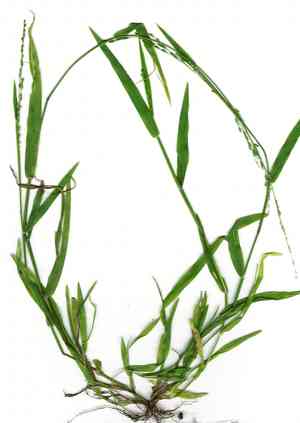
Pineland three-awn is a hardy plant that flourishes in nutrient-deficient ground.
2
The existence of Pineland three-awn aids in stopping soil degradation.
3
Pineland three-awn is vital for sustaining indigenous animal environments.
Why is Pine-land three-awn Important for Soil Health?
Erosion Control
A key advantage of Pine-land three-awn is its effectiveness in preventing soil erosion. Its extensive root network stabilizes the earth, decreasing the likelihood of soil being washed away by rain or carried off by wind. This is especially vital in erosion-prone areas, where Pine-land three-awn acts as a natural barrier, preserving soil integrity and fostering sustainable land use.
Nutrient Retention
Beyond preventing erosion, Pine-land three-awn also plays a critical role in preserving soil nutrients. The plant's deep root system helps trap vital minerals and organic matter within the soil layers, ensuring their availability for other plants in the ecosystem. This leads to a healthier soil profile, encouraging the growth of diverse plant species.
Improvement of Soil Structure
The presence of Pine-land three-awn can significantly enhance soil structure. The plant's roots add organic matter to the soil as they grow and decompose, improving soil porosity and water penetration. This ensures the soil remains aerated and well-drained, conditions ideal for supporting agricultural crops and natural vegetation.
How Does Pine-land three-awn Support Local Wildlife?
Habitat Provision
Pine-land three-awn is known for providing essential habitats for various wildlife species. Its dense growth offers protective cover for small animals, birds, and insects, shielding them from predators and harsh weather. This creates a microenvironment that supports biodiversity and helps maintain ecological balance.
Food Source
In addition to offering shelter, Pine-land three-awn supports wildlife by serving as a food source. Certain animal species consume the seeds and foliage of Pine-land three-awn, making it a crucial part of the food web in its native environments. The availability of this reliable food source is vital for the survival of these species, particularly during lean times when other food options are scarce.
What Are the Economic Benefits of Pine-land three-awn?
Landscaping and Ornamental Uses
Pine-land three-awn has become popular in landscaping and ornamental gardening due to its attractive appearance and minimal maintenance needs. Its ability to thrive in poor soil and drought conditions makes it a preferred choice for sustainable gardening. Landscapers and gardeners value its hardiness and capacity to enhance the visual appeal of various settings.
Fire Management
Pine-land three-awn has also been recognized for its role in fire management. In fire-prone regions, its growth pattern and fire resistance contribute to a reduced risk of uncontrolled wildfires. The plant's ability to quickly regrow after a fire further aids in stabilizing the environment, helping to protect human settlements and natural landscapes from fire damage.
How Does Pine-land three-awn Contribute to Climate Resilience?
Drought Tolerance
The remarkable drought tolerance of Pine-land three-awn makes it an important species for areas experiencing water scarcity or inconsistent rainfall. By conserving soil moisture and extending its root network deep into the ground, Pine-land three-awn helps maintain the ecological functions of dryland areas. This adaptation is crucial given climate change, where prolonged droughts are becoming more frequent.
Carbon Sequestration
Another significant benefit of Pine-land three-awn is its role in carbon sequestration. The plant captures carbon dioxide from the atmosphere and stores it in its biomass and the soil, helping to mitigate the effects of climate change. The extensive root system of Pine-land three-awn sequesters carbon below ground, contributing to long-term carbon storage and improving soil carbon levels.



