The Pacific madrone Plant Advantage: Maximizing Home and Office Appeal and Wellness
1
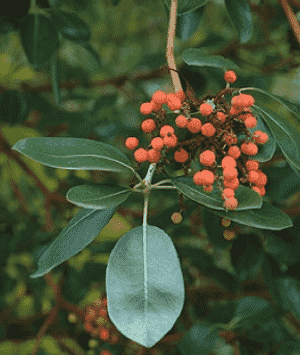
The Pacific madrone yields attractive blossoms and fruits, drawing local fauna to your outdoor space.
2
The Pacific madrone is recognized for its impressive evergreen leaves, which shed their outer layer to expose a vibrant reddish-brown hue.
3
This tree variety offers shade, visual appeal, and ecological advantages like preventing soil erosion.
What Makes Pacific madrone Stand Out?
Visual Charm
Pacific madrone is visually striking, showcasing smooth, shedding bark that uncovers a lovely reddish-brown shade beneath. Its shiny evergreen foliage provides greenery throughout the year, while the tree's blooms and fruits add seasonal appeal. This attractive quality makes Pacific madrone an excellent decorative tree for yards, parks, and other settings.
Wildlife Attraction
Pacific madrone's blossoms and fruits act as draws for various animal species. Birds, bees, and butterflies are especially drawn to its flowers in spring and its berries in autumn. Cultivating Pacific madrone can therefore boost local biodiversity and support wildlife by offering sustenance and shelter.
How Does Pacific madrone Aid Environmental Preservation?
Erosion Prevention
Pacific madrone features a strong root system that is crucial in preventing soil erosion. When planted on inclines or near water bodies, this tree helps stabilize the ground, lowering the chance of landslides and water runoff. This attribute makes Pacific madrone valuable for both urban environments and natural settings.
Carbon Capture
As an evergreen tree, Pacific madrone conducts photosynthesis year-round, taking in carbon dioxide and releasing oxygen. Consequently, planting Pacific madrone can help lessen climate change by sequestering carbon and enhancing air quality. Furthermore, its evergreen nature ensures that Pacific madrone contributes to carbon absorption even during colder months when many other trees are inactive.
What is the Cultural and Historical Importance of Pacific madrone?
Indigenous Uses
Historically, numerous Native American tribes employed Pacific madrone for diverse purposes. The bark and berries were utilized in traditional crafts and edibles, and the tree's leaves held cultural importance in various ceremonies and customs. Learning about these historical applications can deepen our appreciation for Pacific madrone and its role in cultural legacy.
Historical Presence in Pacific Northwest
Pacific madrone is indigenous to the Pacific Northwest, where it has flourished for hundreds of years. Its existence in this region's ecosystems is both historical and essential, contributing to the equilibrium and well-being of local woodlands and coastal zones. The historical importance of Pacific madrone highlights its worth beyond mere aesthetics.



