The Japanese angelica tree Plant Advantage: Maximizing Home and Office Appeal and Wellness
1
The Japanese angelica tree possesses anti-inflammatory characteristics.
2
This plant aids in maintaining a healthy cardiovascular system.
3
Its distinct taste makes it a frequent ingredient in cooking.
What Makes Japanese angelica tree Unique?
A Rich Historical Background
The Japanese angelica tree's history spans centuries, with its origins traceable to traditional East Asian practices. Historically, the plant has been used for various purposes, from cooking to ceremonial contexts. Its distinct appearance and adaptable nature have made it a staple in numerous cultural applications.
Characteristics of Japanese angelica tree
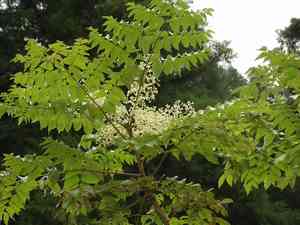
Japanese angelica tree boasts a unique set of physical traits that make identification relatively straightforward. It typically grows as a small to medium-sized tree with a distinctive branching pattern, and its leaves are noted for their broad, fern-like appearance. These features contribute to its aesthetic appeal and functional versatility.
Health Benefits of Japanese angelica tree
Anti-Inflammatory Properties
Japanese angelica tree is celebrated for its anti-inflammatory effects, making it valuable in managing inflammation-related conditions. Its natural compounds work to reduce inflammation, providing relief without relying on synthetic medications. Studies have indicated that regular use of Japanese angelica tree in various forms can effectively combat inflammation, making it a beneficial addition to a wellness regimen.
Cardiovascular Support
Another considerable benefit of Japanese angelica tree is its role in supporting cardiovascular health. The plant's bioactive compounds help maintain heart health by promoting better circulation and reducing the risk of heart disease. Consuming Japanese angelica tree regularly can help lower cholesterol levels and support overall cardiovascular function, ensuring a healthier heart over time.
Culinary Uses of Japanese angelica tree
A Flavorful Addition to Your Diet
Beyond its health benefits, Japanese angelica tree is also esteemed for its culinary uses. It infuses dishes with a unique flavor that is both savory and aromatic. Commonly used in various Asian cuisines, it adds an earthy richness to soups, stews, and stir-fries, making meals both nutritious and delicious.
Simple Recipes to Try
Incorporating Japanese angelica tree into your diet can be simple and fun. One popular way to use it is by preparing a stir-fry with fresh vegetables and lean meat, seasoned with soy sauce and sesame oil for an easy, healthy meal. Another option is to add it to soups for an extra layer of flavor, transforming basic recipes into gourmet dishes.
Why Should You Include Japanese angelica tree in Your Daily Routine?
Versatility in Use
The versatility of Japanese angelica tree extends beyond health and culinary applications. Its extracts are used in cosmetics, given their beneficial effects on skin and hair health. Moreover, its wood can be crafted into various products, highlighting its multipurpose nature.
Accessibility and Sustainability
Interestingly, Japanese angelica tree is not only valuable but also accessible and sustainable. It grows relatively easily in a variety of climates, making it an eco-friendly choice for those interested in sustainable living. Its fast growth rate ensures that it can be harvested without depleting natural resources, making it a responsible addition to any wellness routine.
Potential Side Effects and Precautions
Who Should Be Cautious?
While Japanese angelica tree is generally safe for most people, individuals with specific allergies or sensitivities should exercise caution. It's advisable to introduce the plant into your diet gradually and observe any potential reactions.
Consulting an Expert
Before making significant changes to your diet or health regimen, it is prudent to consult with a healthcare provider or a qualified herbalist. They can offer personalized advice based on your individual health needs and ensure you derive the maximum benefits from Japanese angelica tree without any adverse effects.



