The Muku Plant Advantage: Maximizing Home and Office Appeal and Wellness
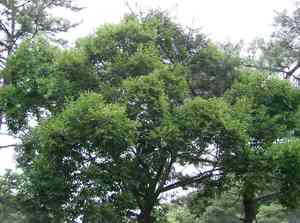
1
Muku's robust and pliable timber has historically been utilized for crafting implements and artisanal items.
2
Muku foliage is recognized for its rich nutrient content, serving as a viable feed option for farm animals.
3
This vegetation plays a crucial role in enhancing ground firmness and averting soil degradation in its native habitats.
Muku's Environmental Advantages
Ground Stability and Erosion Prevention
Muku flourishes in diverse environments, establishing it as a vital species for stabilizing soil. Its strong root network stops soil erosion by firmly securing the earth, particularly in elevated and wooded regions. This not only aids in minimizing landslides but also in preserving the natural scenery.
Support for Biological Diversity
This vegetation supports a wide array of plant and animal life. Its limbs provide homes for numerous avian species and insects, promoting a rich biological diversity. The dropped foliage and organic material from Muku enrich the soil, supplying crucial nutrients that benefit nearby plants and organisms.
Muku's Practical Applications
Historical and Contemporary Wood Applications
Muku's timber is recognized for its robustness and pliability, making it perfect for fashioning various implements and objects. Historically, it has been utilized to produce agricultural tools, handles for instruments, and even musical devices. Presently, it finds utility in cabinetry and other refined woodworking projects.
Nutritional Value for Farm Animals
Muku's foliage is packed with nutrients and serves as an excellent dietary source for livestock, especially in areas where other feed is limited. This positions it as a critical plant for sustaining farming methods and supporting the income of agricultural workers.
Muku's Contribution to Human Well-being
Sustainable Building Material
Beyond its conventional applications, Muku is gaining acclaim as an environmentally sound construction material. Its rapid growth and resilience make it a sustainable substitute for other timbers, thereby contributing to ecologically aware building methods.
Cultural Importance and Artistic Applications
In numerous societies, Muku possesses considerable significance, frequently being incorporated into local art and craftsmanship. Its visual appeal and ease of manipulation make it a favored option for artists and artisans, enabling them to produce culturally meaningful and aesthetically pleasing artifacts.



