The Garden chervil Plant Advantage: Maximizing Home and Office Appeal and Wellness
1
Chervil, a garden herb, is superb for cooking, imparting a delicate anise taste to meals.
2
Incorporating this plant into a balanced diet can aid in maintaining digestive wellness.
3
Optimal growth for garden chervil occurs in cool, shaded garden spots.
What Makes Garden Chervil So Special?
Historical Significance
Garden chervil boasts a rich past, utilized since ancient times for both its culinary applications and potential health advantages. Frequently found in European cooking, it was traditionally employed not only for flavoring but also for its supposed digestive qualities. Over time, it has gained popularity globally, finding its way into numerous gardens and kitchens.
Unique Characteristics
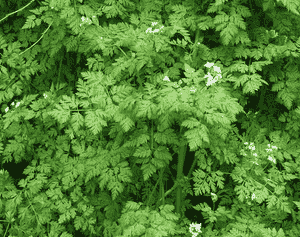
Garden chervil is distinguished by its delicate foliage and subtle anise-like fragrance. It typically reaches a height of about 12-24 inches and produces small white flowers arranged in umbels. This plant prefers cool, shaded conditions, making it ideal for early spring or late summer planting.
Culinary Uses of Garden Chervil
Flavor Enhancement
A primary reason Garden chervil is so valued in the culinary world is its capacity to elevate the taste of various dishes. Whether you're preparing soups, salads, or sauces, a touch of Garden chervil can improve the flavor profile with its subtle, slightly sweet, and anise-like taste. Its leaves are often used fresh, as drying can diminish its aromatic strength.
Combining with Other Herbs
Garden chervil pairs exceptionally well with other herbs such as parsley, tarragon, and chives. When combined, these herbs can create a complex flavor perfect for a range of dishes, from French cuisine to simple home-cooked meals. This makes Garden chervil a versatile ingredient adaptable to various cooking styles and recipes.
Gardening Tips for Growing Garden Chervil
Ideal Growing Conditions
Garden chervil thrives best in cooler climates and shaded locations. It prefers well-drained, loamy soil with a slightly acidic to neutral pH. Planting it in partial shade can help preserve its delicate flavor, as excessive sun can cause it to bolt prematurely, reducing its usefulness.
Care and Maintenance
Once planted, Garden chervil requires minimal upkeep. Regular watering and occasional fertilization with an all-purpose organic fertilizer can ensure robust growth. It's also advisable to pinch back the tips to encourage bushier growth and extend the harvest season. Removing any flowering stems can prevent the plant from going to seed too quickly.
Other Benefits of Garden Chervil
Aesthetic Value
Beyond its culinary and potential health benefits, Garden chervil also offers visual appeal to gardens. Its lush green leaves and delicate white blossoms can add a touch of elegance to any garden space. It can be used as a border plant or intermingled with other herbs and vegetables for a visually pleasing garden arrangement.
Supporting Biodiversity
Garden chervil can also contribute to local biodiversity. Its small flowers attract various pollinators like bees and butterflies, which are crucial for maintaining healthy ecosystems. By cultivating Garden chervil, you support the well-being of your garden and the surrounding environment.
How to Harvest and Store Garden Chervil?
Harvesting Tips
The optimal time to harvest Garden chervil is in the morning when its essential oils are most concentrated. Simply snip the leaves at the base using sharp scissors or garden shears. Frequent harvesting is good practice as it promotes new growth and prevents the plant from flowering prematurely.
Storage Methods
After harvesting, Garden chervil can be stored in a few ways. Fresh leaves can be kept in the refrigerator wrapped in a damp paper towel and placed inside a plastic bag to maintain freshness for several days. For long-term storage, consider freezing the leaves. Simply chop them finely, place them in ice cube trays, and cover them with water or olive oil before freezing.



