The Dill Plant Advantage: Maximizing Home and Office Appeal and Wellness
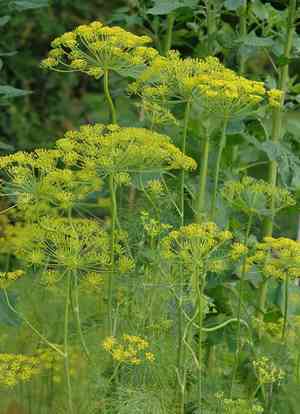
1
Dill contains many antioxidants, which aid in shielding the body from harmful free radicals.
2
Adding Dill to your meals can improve the taste of your food.
3
Dill is recognized for its possible advantages for gut health.
What Are the Nutritional Components of Dill?
Rich in Vitamins and Minerals
Dill is abundant in vital vitamins such as vitamin A, vitamin C, and various B-complex vitamins. These vitamins are crucial for maintaining healthy skin, vision, and immune function. Furthermore, Dill provides important minerals like calcium, iron, and manganese, which support bone strength and metabolic processes.
Antioxidant Powerhouse
A significant health advantage of Dill is its high antioxidant content. Antioxidants are substances that help neutralize harmful free radicals in the body. Free radicals can cause oxidative stress, leading to chronic illnesses and aging. By including Dill in your diet, you can help protect your body from these damaging effects.
How Does Dill Enhance Culinary Dishes?
Flavor Enhancer
Dill is recognized for its distinct, slightly tangy taste that can invigorate any dish. It pairs well with various foods, including fish, meats, vegetables, and soups. Fresh Dill adds a burst of flavor, while dried Dill can add depth and complexity to recipes.
A Versatile Ingredient
From dressings and sauces to pickling and garnishing, Dill's adaptability in the kitchen is immense. Its pleasant flavor and aroma make it a preferred choice for many chefs and home cooks alike, transforming ordinary meals into gourmet experiences.
What Are the Health Benefits of Dill?
Digestive Health
Incorporating Dill into your diet can contribute to improved digestive health. The plant contains dietary fiber, which is essential for maintaining regular bowel movements and preventing constipation. Additionally, the oils in Dill can stimulate the production of digestive enzymes, aiding in the efficient breakdown of food.
Anti-Inflammatory Properties
Dill contains compounds like monoterpenes and flavonoids, which have been shown to possess anti-inflammatory properties. Chronic inflammation is linked to various health issues, including heart disease and arthritis. Including Dill in your diet can help reduce inflammation and promote overall wellness.
How Can You Incorporate Dill Into Your Daily Routine?
Fresh or Dried
Whether you choose fresh or dried Dill, integrating this herb into your diet is simple. Fresh Dill can be chopped and added to salads, soups, and sandwiches, while dried Dill works well in seasoning blends, marinades, and dry rubs.
Herbal Tea
Dill tea is another popular way to enjoy the benefits of this plant. Simply steep a few teaspoons of fresh or dried Dill in hot water for a soothing beverage that can help with digestion and relaxation. Adding a hint of honey or lemon can enhance the flavor.
Gardening Tips for Growing Dill
Ideal Growing Conditions
Dill thrives in well-drained soil with ample sunlight. If you're planning to grow Dill at home, choose a sunny spot and ensure the soil is kept moist yet well-drained. Regular watering and occasional fertilization can help the plant grow robustly.
Harvesting and Storage
To harvest Dill, cut the stems when the plant reaches about 12 inches in height. You can use fresh Dill immediately or store it in the refrigerator for a few days. For long-term storage, consider drying the herb and keeping it in an airtight container.



